
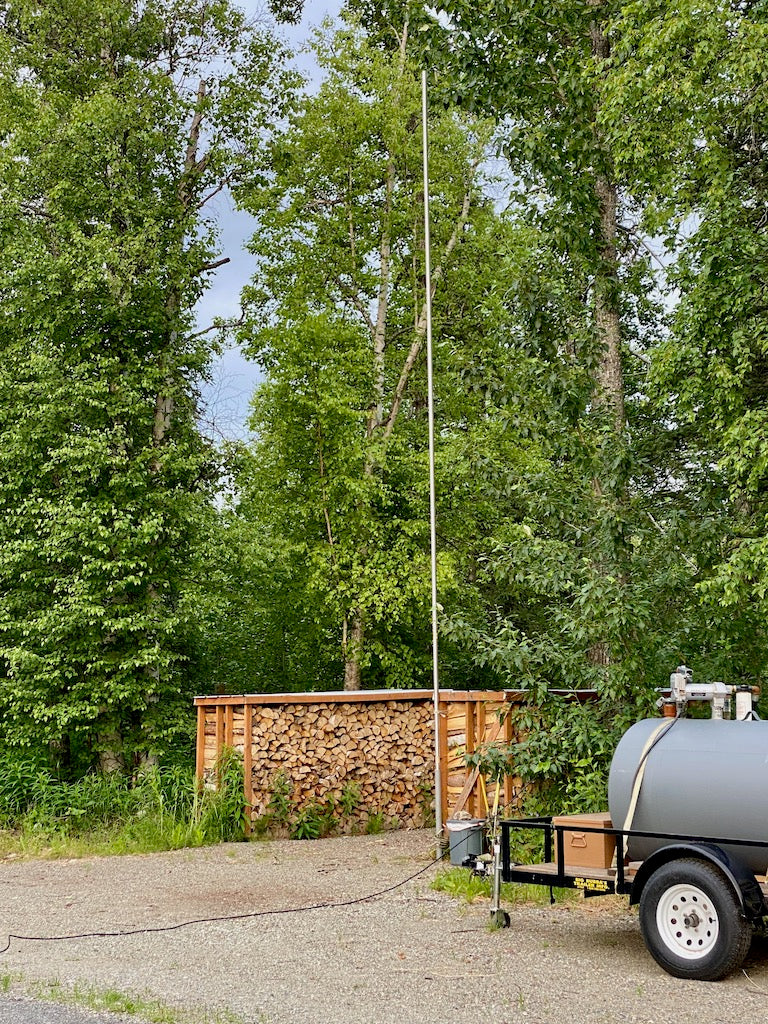
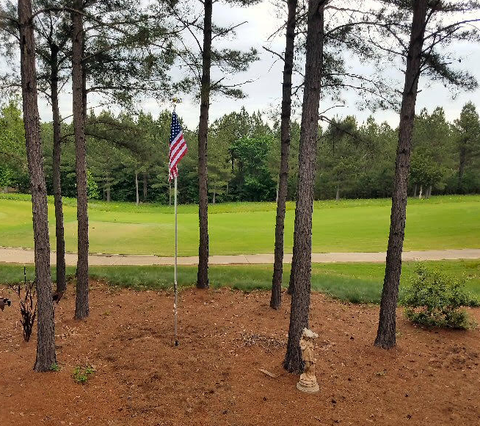
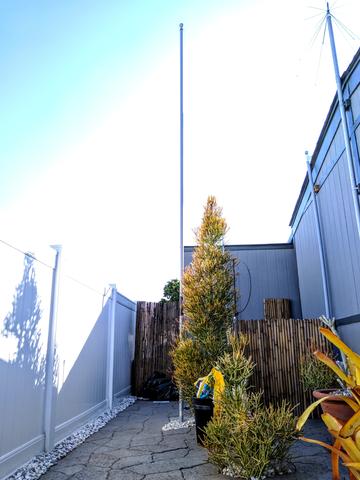
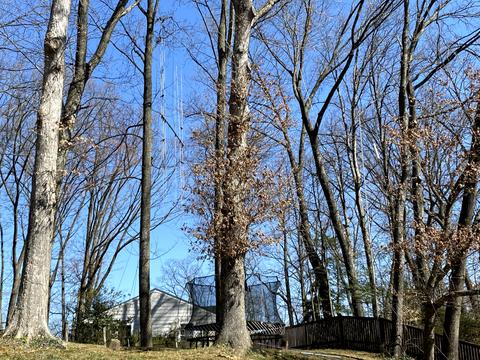
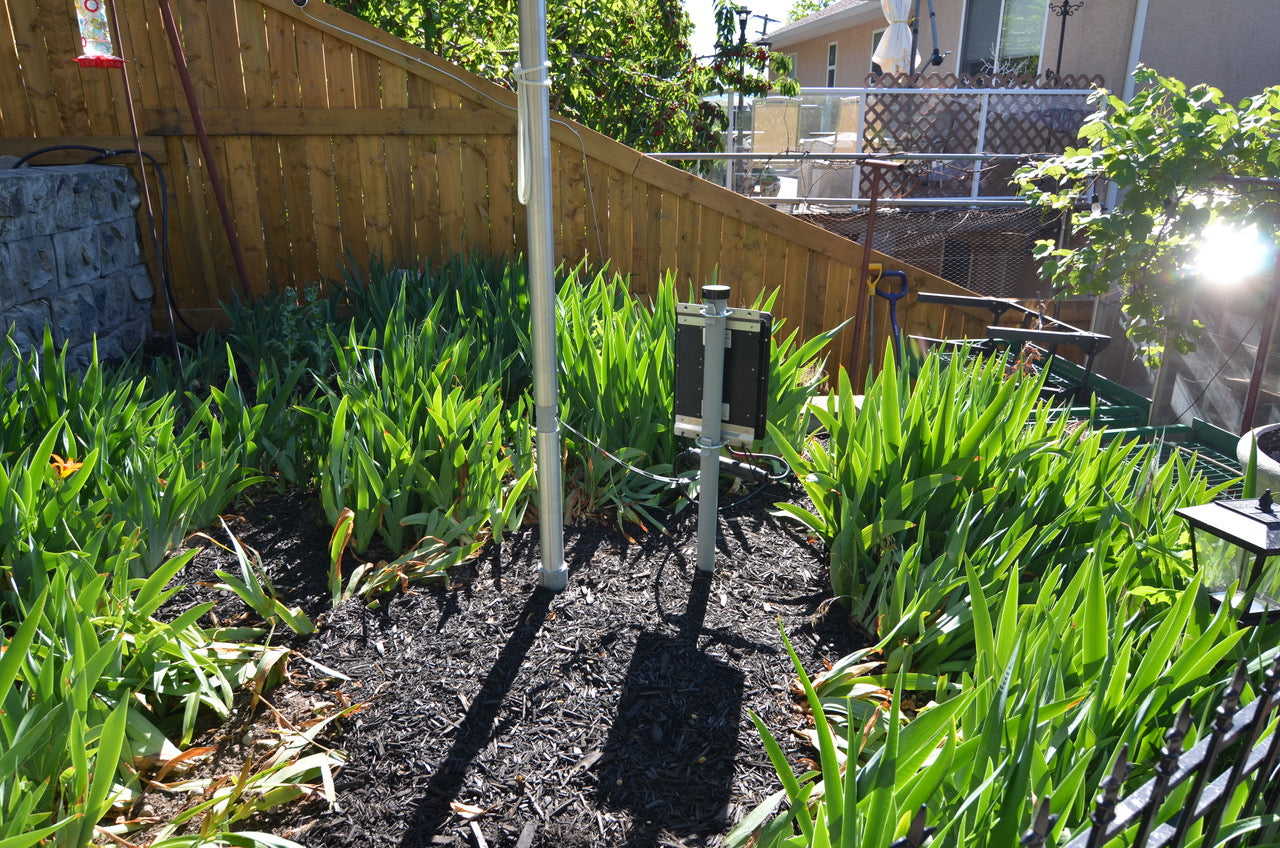
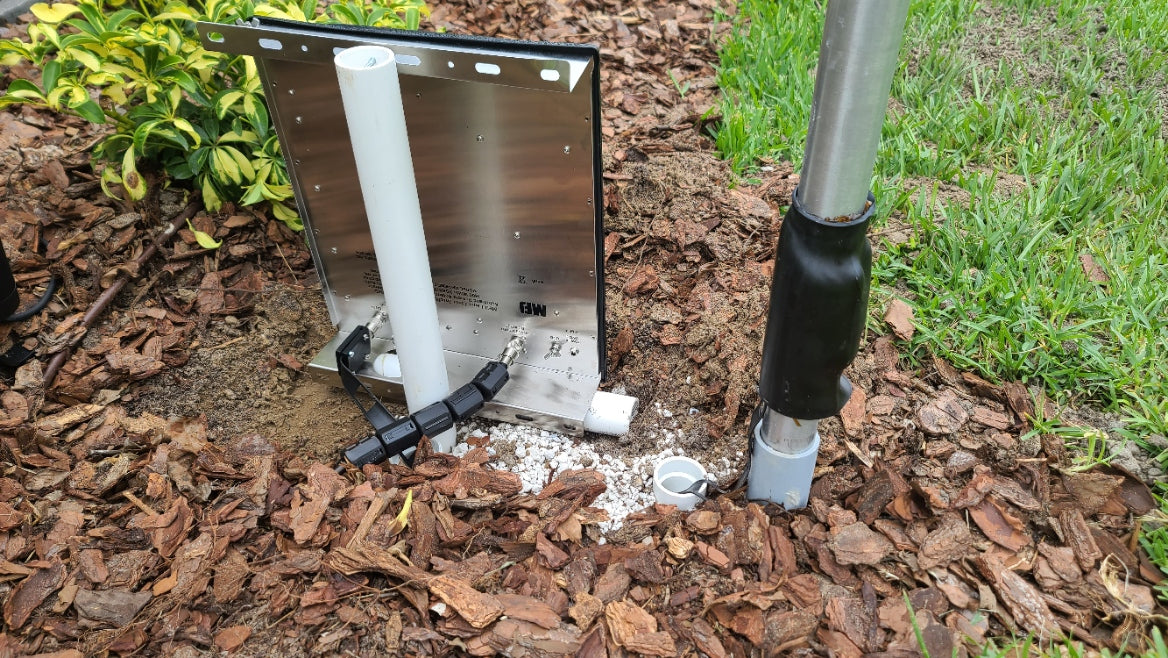
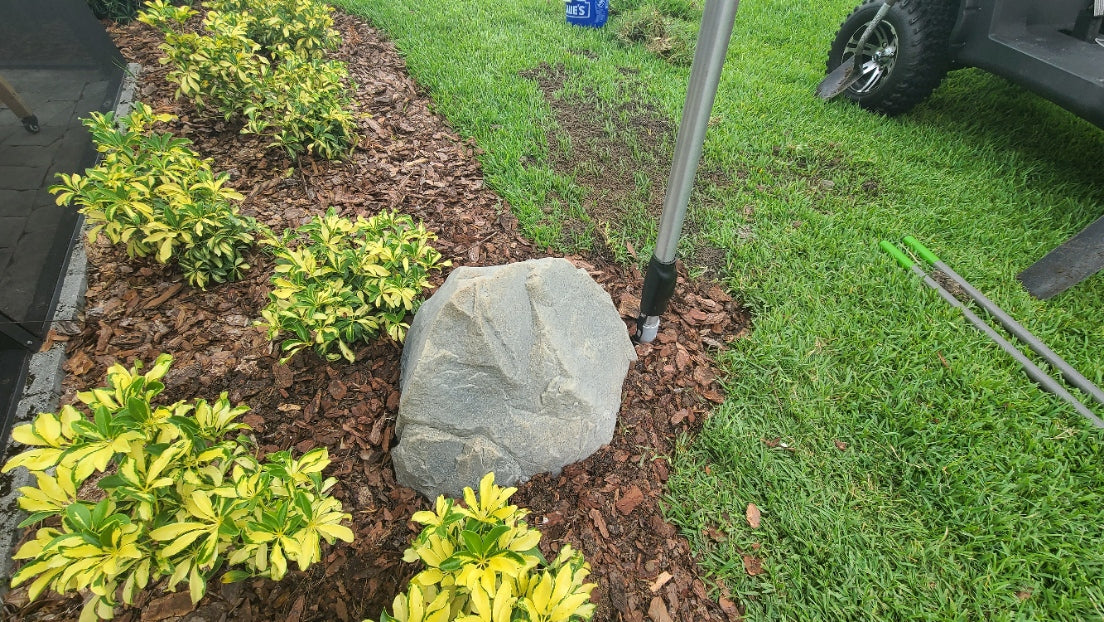
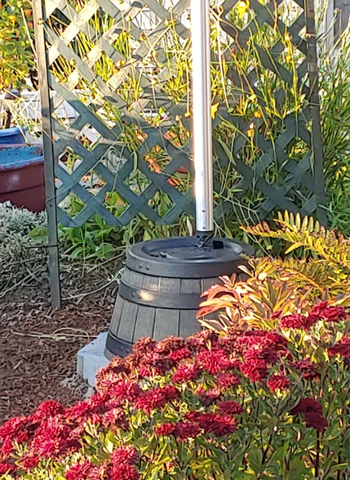
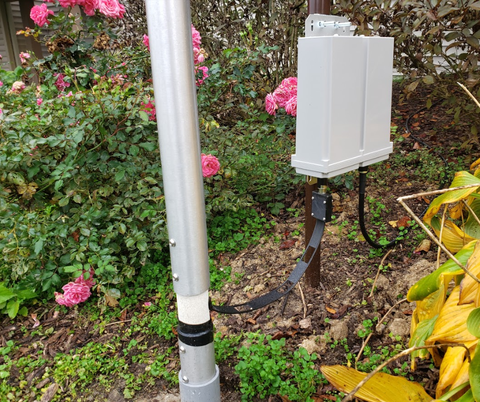
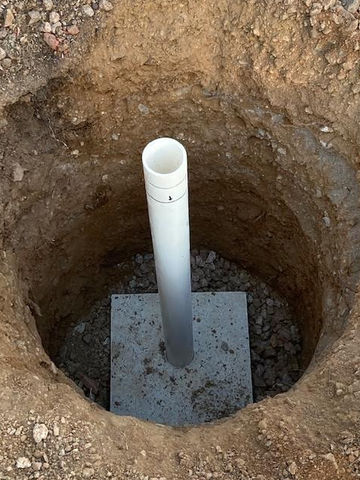
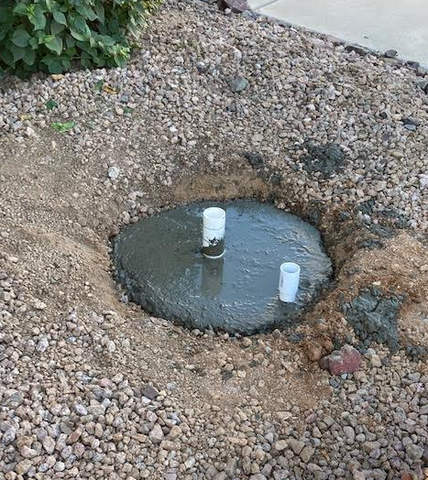
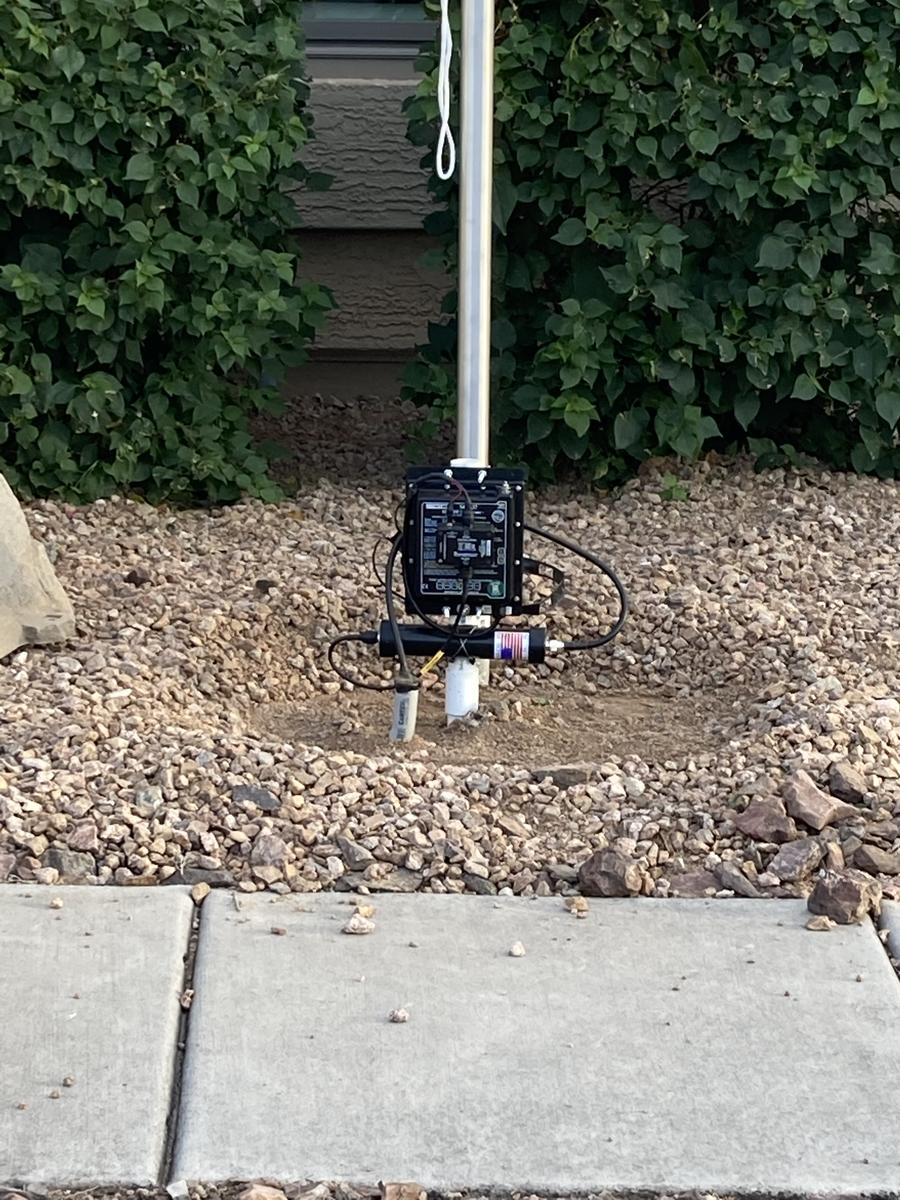
Greyline 20 ft HF vertical dipole antenna, no radials, 160 through 6 meters
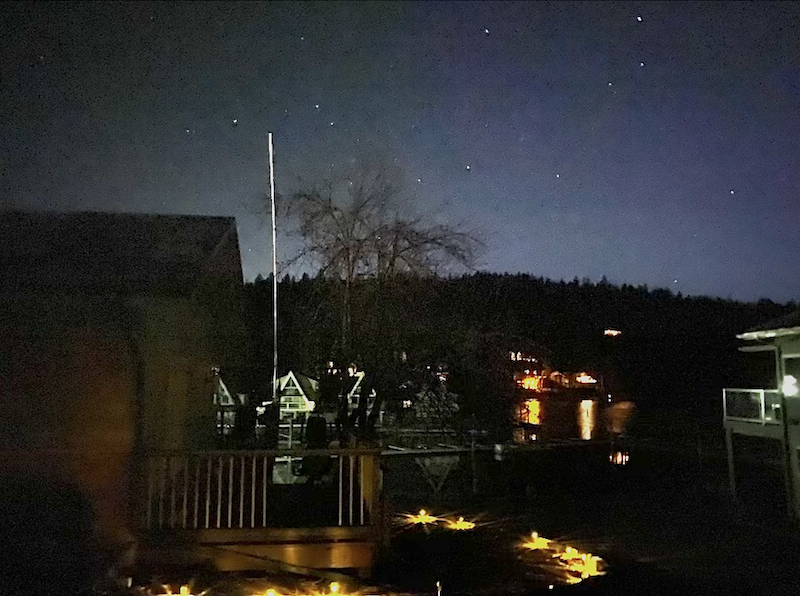
Greyline 20 ft HF vertical antenna in an HOA yard, no-radial vertical dipole
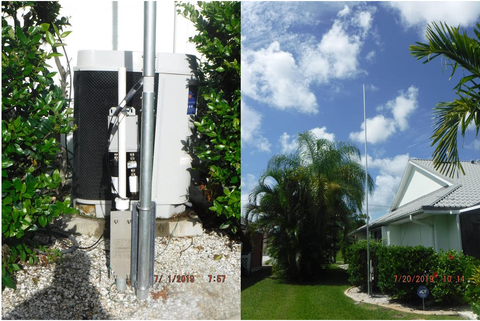
Ham radio HF vertical dipole antenna by Greyline Performance, 160 through 6 meters
Greyline stealth vertical antenna in a covenant-restricted neighborhood
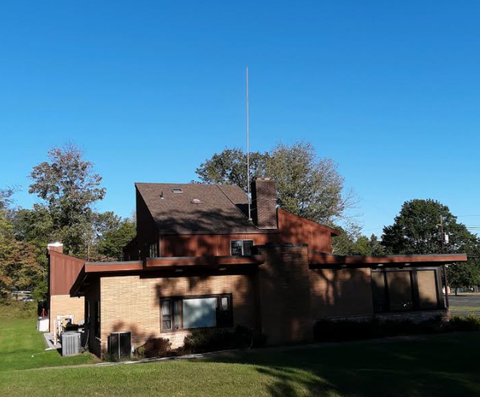
WB2DCA's roof-mounted Greyline HF vertical antenna, a stealth install above the roofline
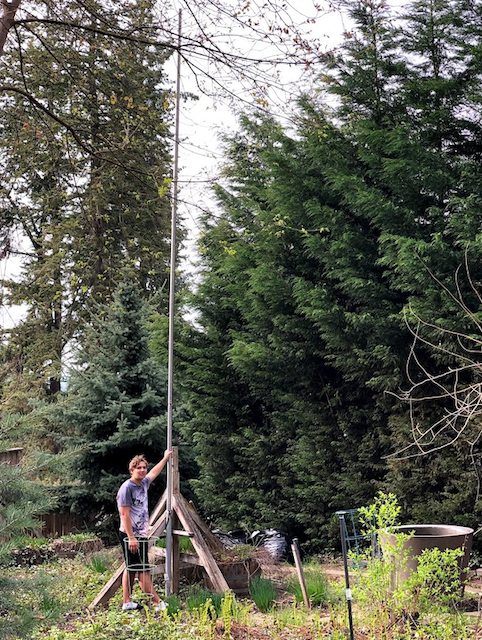
Greyline Performance stealth HF vertical antenna standing in an open yard
Greyline Performance flagpole antenna, a full HF vertical dipole with no radials
K3WA's Greyline stealth HF vertical dipole, the contest station behind a Sweepstakes Clean Sweep
Greyline stealth vertical dipole antenna installed as an HOA flagpole
NN3W's Greyline HOA flagpole antenna, stealth HF vertical dipole install
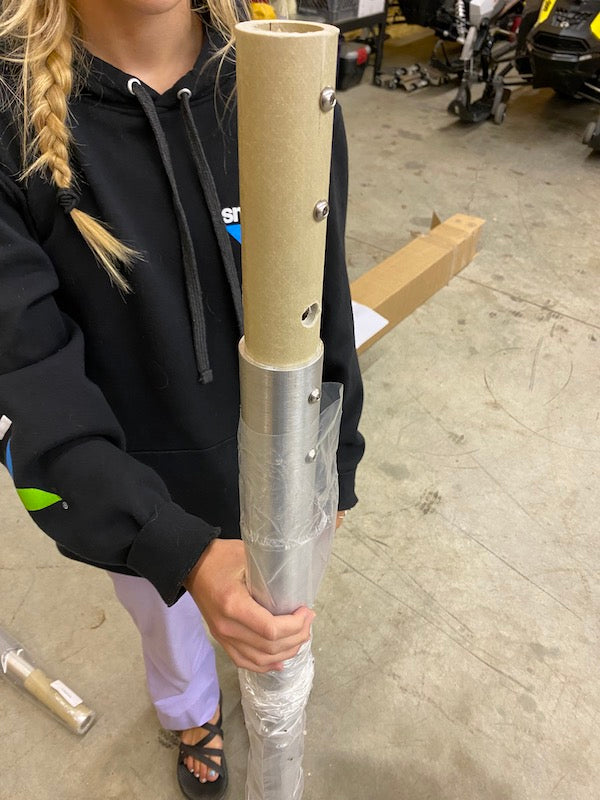
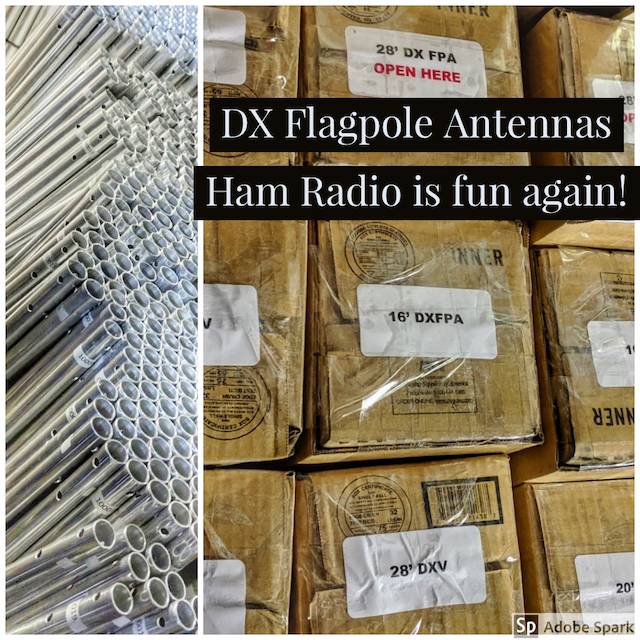
Greyline antenna packed and ready to ship from Sun Valley, Idaho
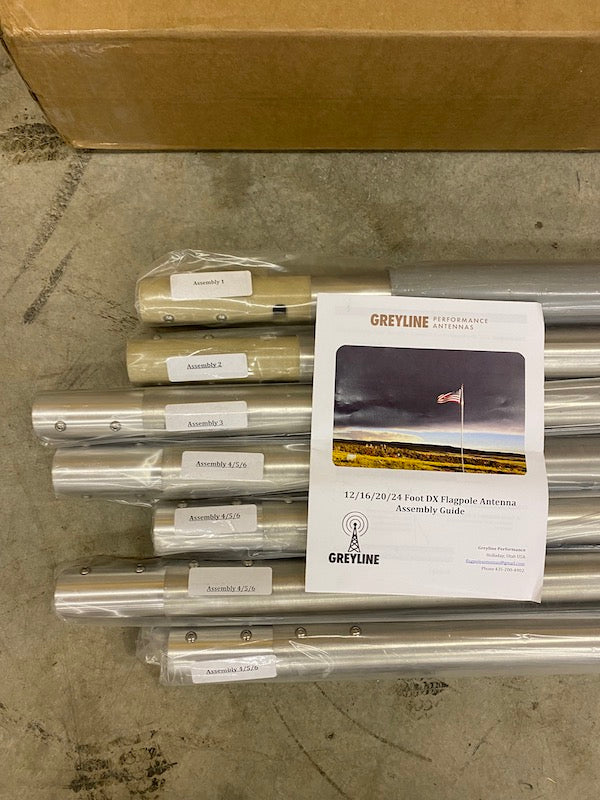
Greyline shipping box with HF vertical antenna sections and hardware inside
20' HF Vertical Antenna | 160-6M | No Radials | Greyline Performance

20' HF Vertical Antenna | 160-6M | No Radials | Greyline Performance

Regular price
$1,250.00
Sale price
$1,250.00

HF Vertical Dipole Antenna · 160–6M · No Radials · Made in USA

The DXV20 — The Most Popular Vertical. Full HF Coverage.

The DXV20 is the vertical most operators choose — full 160–6M coverage from one feedpoint, no radials, no ground system, any surface. Twenty feet of aperture covers every band and does serious work across the spectrum. Go as tall as your site allows and you pick up bonus dB on the low bands, but the DXV20 is the height that fits most installs cleanly. Same OCF VDA physics as the full DXF lineup, in a clean bare vertical for rooftop, deck, and open-yard installs.

Why a Bare Vertical?

The DXV is the same vertical dipole as our flagpole series with the flag hardware left off — no visible stubs, no loading coils, no radial wires, no flag. A clean 2-inch pole that disappears against a rooftop, a tree line, or a commercial mast. For operators who don't need the flagpole disguise, it is the most direct path to the VDA architecture.

Band Coverage

160–6M

All HF bands. One antenna.

Ground System

No Radials

One feedpoint. Any surface.

Guarantee

7 Years

Free shipping — USA and Canada. Made in Sun Valley, Idaho.

Not sure this is the right height for your site? Call us at 435-200-4902 and we will spec your system in ten minutes — your surface, your bands, your power, your noise floor. A real person answers, and we would rather talk you into the right antenna than the expensive one.

The field reports below come from operators running Greyline DXF flagpoles — the same VDA core as the DXV20, with the flag hardware added. Each operator's configuration is named with their report.

Field Report — Colorado

“I ran a defense antenna company for 7 years. I am very impressed with the look, quality, machining, and part fit. It is a professional-grade product.” HOA approved. Concrete foundation. FT8 DX confirmed to Hawaii, South America, Europe, and Africa.

— Rob Freedman · WC0R · Retired Defense Antenna Executive · 29' DX Flagpole · Colorado HOA · Verified Owner

Field Report — North Carolina

ARRL CW Sweepstakes: Clean Sweep — all 83 sections, 600+ QSOs from an HOA lot. WPX CW and ARRL DX CW: 1,000+ QSOs each. “A Clean Sweep with my flagpole!”

— Bill · K3WA · PVRC President · 20' DXF (same VDA core) · Verified Owner

The Physics

Why No Radials — and Why It Works

Traditional quarter-wave verticals feed at the current maximum at the base — pushing maximum I²R loss directly through soil. Every ohm of ground resistance sits in series with your radiation resistance, stealing signal before it leaves your yard.

The Greyline VDA is a vertical dipole. It works every band, 160–6M, from a single feedpoint with no radials. Return current flows through the lower element, not through a buried radial field, significantly reducing ground coupling and removing dependency on soil conductivity. On top of full coverage, the geometry peaks toward 5/8-wave on 10 meters for strong low-angle DX radiation — a bonus on the upper bands, not the whole story.

The physics behind the no-radial vertical dipole is established, published work — the full reference shelf is cited below, and a deeper VDA explainer lives in the Signal Lab for further study.

The Gain Figures, With Their Reference

Full per-band modeled figures and their reference are stated on one sourced page so the numbers stay consistent everywhere. Aperture & Gain — the modeled figures →

Before You Install — Run a Noise Audit

The VDA has a 2-inch pole footprint and no radial field at all. A traditional radial field extends hundreds of feet at 160 meters — running toward every noise source on the property. The VDA goes where you choose. Grab a battery-powered AM radio, tune off any broadcast station, walk your property, and find the quietest spot. That's where the pole goes.

Full Installation Guide →

In the Box

Everything You Need. Nothing You Don't.

Antenna System

  • 20' DXV Vertical VDA Radiator
  • RF Choke & Precision Feedline Hardware
  • Ground Sleeve Kit
  • Assembly Manual & Tuning Guide

Mounts Anywhere

  • In-ground, tower, roof, deck, or dock
  • 2-inch footprint, no radial field
  • Stainless hardware, pre-fastened
  • 7-Year Performance Guarantee

Structural Engineering

Built for Real Weather

Every DXV is engineered to ASCE 7-10 structural standards. With no flag, the DXV carries no flag drag — so it holds a single rating equal to the flag-down figure of the matching flagpole, because with the flag stowed that is what the flagpole is. A flagpole cannot be stronger than the bare pole it is built from. When you compare antennas, the question worth asking is which standard produced the number.

Model Wind Rating Standard
DXV12 155 MPH ASCE 7-10
DXV16 115 MPH ASCE 7-10
DXV20 90 MPH ASCE 7-10
DXV24 70 MPH ASCE 7-10
DXV28 55 MPH ASCE 7-10

Ratings per ASCE 7-10 for the bare vertical. The end customer is responsible for a foundation suited to the site.

Complete The Station

Three Discounts. One Cart. No Codes.

Coax, the tilt-up base and the RT-100 come off automatically when they ride in the same cart as the antenna. No codes. The rest are simply worth knowing about.

Coax — 10% Off

The antenna is only as good as the line feeding it, and a tired run can eat half your power on the high bands. Genuine Times Microwave, built to length.

Shop Coax →

Tilt-Up Base — $25 Off

Lower it to waist height alone, in minutes. Whip changes, tuner service, storm prep — no ladder, no second person.

View Tilt-Up Base →

RT-100 Remote Tuner — $25 Off

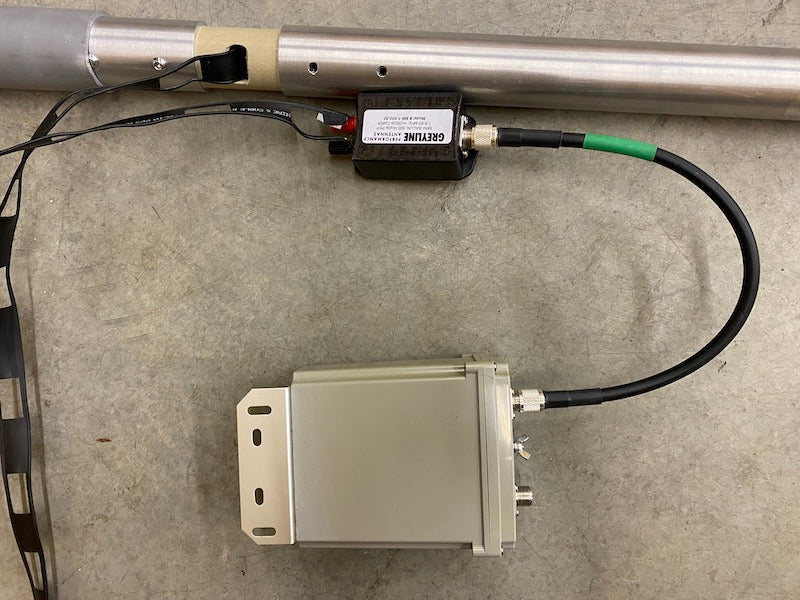
A wide-range ATU is required either way. The RT-100 lives at the feedpoint, weatherproof, DC over coax, one-button tuning 160–6M.

View RT-100 →

9' DX Whip

Adds 9 feet of aperture on top of the 20-foot radiator. The DXV20 plus the whip is the Skyline 29 — 29 feet of vertical, and the low bands know it.

View Whip → Skyline 29 →

4' Vertical Extension

Four more feet of radiator, added at the top section. The smallest step up the line — a 20-foot DXV becomes 24 feet of aperture without a new antenna. Ships with the transition splice.

View Extension →

316 Marine Hardware

Salt air finds the fasteners first. Every antenna ships with stainless hardware throughout; for waterfront, coastal and dock installs, the 316 marine kit is the grade specified for saltwater service. Fits 12' through 28'.

View 316 Marine Kit →

Sites & Deployment

Built for Where a Bare Pole Belongs

The DXV goes where the flagpole disguise isn't needed — rooftops, open yards, waterfront, towers, and commercial or agency sites. A decade of field experience behind the design.

Rooftop, Yard & Tower

2-inch footprint, no radial field, mounts to ground sleeve, tower, roof, deck, or dock. Find the quietest spot and put it there.

Setup & Manuals →

Behind HOA Lines?

If your site needs the flagpole disguise and approval paperwork, the DXF20 carries the same VDA core with the HOA brief included.

See the DXF20 →

Feed System Note

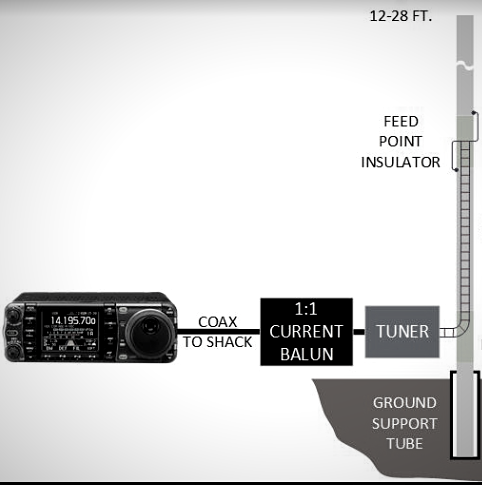
The DXV is a balanced VDA — tuner and RF choke must maintain a floating balanced feed. See the Tuner & Balun Configuration Guide →

Specs & Shipping

Spec Detail
Height 20 feet
Band Coverage 160–6M (all HF + 6M)
Design VDA — Vertical Dipole Antenna, OCF
Modeled Gain Per-band figures, with their reference, on the Aperture & Gain page →
Power Handling Legal limit — constrained only by ATU rating
Radials Required None
Material 6061-T6 Aircraft-Grade Aluminum + Fiberglass
Hardware Stainless throughout; 316 marine kit available for coastal sites
Wind Rating 90 MPH — ASCE 7-10
Shipping Free — USA and Canada. International rates at checkout.
Made In Sun Valley, Idaho — USA
Guarantee 7-Year Performance Guarantee

Construction — 6061-T6 Aircraft Aluminum

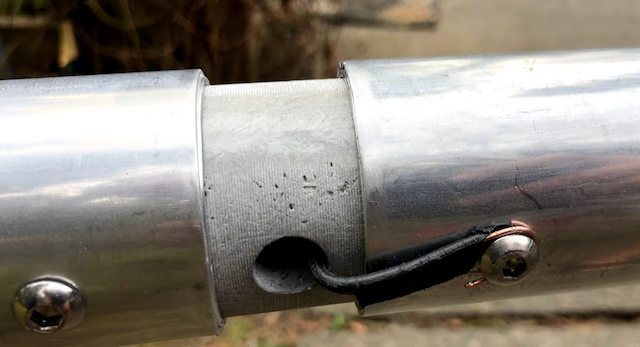
Outside: 2" OD, full length — uniform profile top to bottom. Clean. Sleek. Invisible as an antenna. Inside: wall graduates where the physics demands it — 0.125" lower 30% where base bending stress peaks, 0.065" upper 70% where reducing mass at height lowers dynamic wind loads. Zero plastic. All-metal. Stainless hardware throughout. Threaded transition sections machined directly into the metal — self-aligning, no through-bolting, less total weight.

A note on diameter, because it's widely misread: a thicker pole is not automatically a stronger one. Wind force scales with projected area — the width the wind actually sees — so doubling a pole's diameter roughly doubles the wind load it must survive, before accounting for the extra mass carried at height and the added dynamic fatigue on every gust cycle. The Greyline runs a 2-inch outer diameter precisely because a slim, engineered section sheds wind better than a fat one fights it. Narrower, run correctly, is the stronger answer.

Every Greyline wind rating is derived from ASCE 7-10 structural engineering values — actual geometry, actual math, published methodology. A wind rating without a cited standard is a guess dressed as a spec. Ask any antenna maker which standard they used. If they can't cite one, you have your answer.

Common Questions

Before You Order — Answered.

What's the current lead time and availability?

Each antenna is built to order. Current lead time is always posted on our Order Status page → Call 435-200-4902 for a specific ship date.

How long does shipping take?

Shipping is free — USA and Canada. Ground transit runs 2–5 business days once it leaves a Greyline facility. Tracking sent at shipment. International rates calculated at checkout.

Can I get marine-grade hardware for a coastal install?

Yes. Every Greyline ships with stainless hardware throughout as standard. For waterfront, coastal and dock sites, the 316 Marine Stainless Hardware Kit → is the grade specified for saltwater service. It fits 12' through 28' Greyline verticals — order it with the antenna.

What's included — do I need to source anything separately?

Everything to assemble and mount is in the box. You supply coax and an ATU. That's it.

✓ VDA Radiator (your chosen height)

✓ RF Choke & Precision Feedline Hardware

✓ Ground Sleeve Kit — in-ground, tower, roof, deck, dock compatible

✓ Assembly Manual & Tuning Guide

✓ 7-Year Performance Guarantee

The DXV ships as a bare vertical. The DXF flagpole models add USA-made flag kit hardware, the HOA Architectural Brief, and the Property Integrity Letter.

Do I need an ATU — will my radio's internal tuner work?

Yes, an external ATU is required. The VDA presents variable impedance across its operating range — that's how it covers 160–6M from a single feedpoint with no traps and no radials. Most internal tuners won't handle the full impedance range on every band.

An external ATU lives in one of two places, and both are right depending on your run. For a short feedline run, a desktop ATU at the radio is the simpler path — it stays warm and dry indoors and you can hear it tune. For a longer run, a weatherproof remote ATU at the antenna base keeps the match close to the feedpoint; the LDG RT-100 is a low-cost 125W fit for that job, and it takes $25 off automatically when it's in the same cart as the antenna. All ATUs carry a reduced power rating for digital modes (FT8, Winlink, JS8Call) due to 100% duty cycle heat loading — check your tuner's digital rating before running full power on those modes. Running high power? The antenna handles the full legal limit on every band — the tuner is the only ceiling.

How difficult is installation? How long does it take?

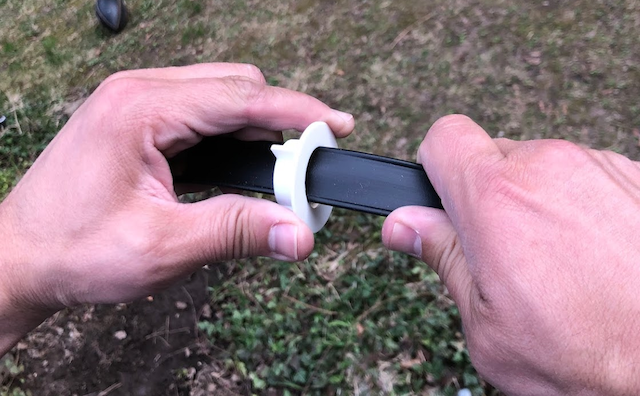
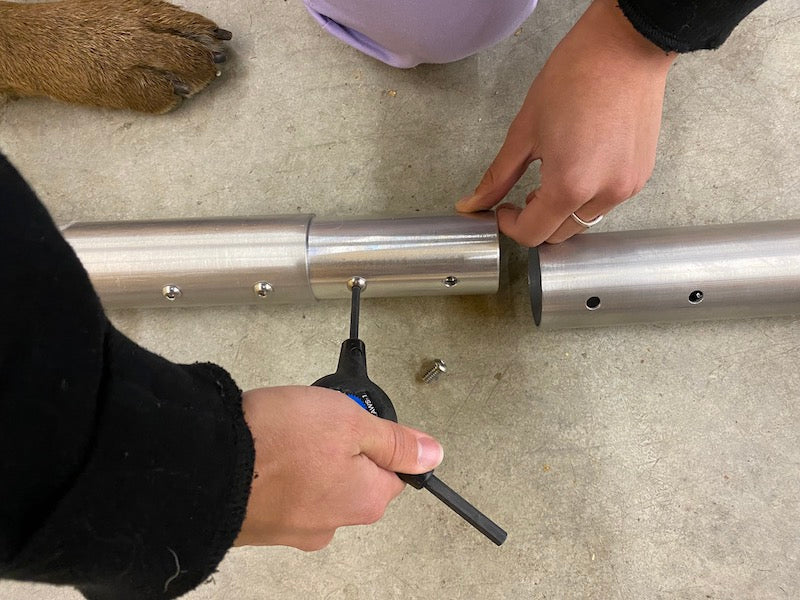
Most operators are on the air in under an hour. Dig a post hole, build the antenna sections (15–30 min), drop it in, run coax, connect the ATU. All stainless hardware comes pre-fastened — no loose hardware to lose in the grass.

Assembly documents at Setup & Manuals → Questions during install? Call 435-200-4902.

What does the 7-Year Guarantee cover?

Seven years of performance coverage. If it fails under normal operating conditions, we make it right. No questions asked. A customer's antenna fell in a severe ice storm — we sent a replacement immediately. Full terms at 7-Year Warranty Policy →

Why this antenna works

Every Greyline design decision traces back to named, published antenna physics — Zavrel W7SX, Kraus W8JK, Severns N6LF on ground systems, Maxwell W2DU on transmission lines, Lewallen W7EL on modeling. Not opinions. Cited works.

The full shelf — Zavrel, Kraus, Severns, Maxwell, Lewallen — lives under The Signal Lab · The Shelf We Read From in the menu, open to everyone.

Ham Radio is fun again! Pass it on... 73, The Greyline Performance Team · Sun Valley, Idaho · 435-200-4902

Customer Reviews

Based on 4 reviews
100%
(4)
0%
(0)
0%
(0)
0%
(0)
0%
(0)
C
Christopher Diederich
20' antenna with 9' whip

Fit and finish is top notch. First contacts once installed were Vietnam and Tuvalu (4 bands) from Eastern NC! I ordered the 20' DSV with the 9' whip. No HOA (rather I'm the HOA on my farm:). Talked to Jon K2LA about the truck between the 2" section and the whip and he told me they're developing an aluminum cap for the transition rather than using a truck. I'm looking forward to swapping for that.

I am having difficulty tuning 6m and 160m; all others work fine with my LDG AT1000Pro2 tuner. I also notice the receive is around 2 S units quieter than my OCF Dipole. Still readable but leaves me scratching my head as to why. Perhaps it's me or the conditions in my yard. I am using LMR400 and a Polyphaser. Could be the loss introduced by the added connections.

I ordered the 4 foot extension and the tilt whip. They shipped today. I'm hoping they will make an operational difference aside from the ease of putting it up and taking it down.

Busy company. You need a little patience when communicating with them. Automated answering service picks up when you call. Best to send a clean e-mail from their "contact us" link on the web site.

Edited my review (5 stars) after Jon K2LA's very thorough explanation.

Christopher, Vietnam and Tuvalu on four bands from Eastern North Carolina --
those are serious Pacific paths, and they answer most questions about this
antenna before I type a word. Thank you for the detailed report. Let me take
your three puzzles in order, because the next reader will have them too.

The quiet receive is the one to reframe: quieter is not deafer. Your OCF
dipole is a horizontal wire using its coax as part of the antenna -- which
means it hears your house, your neighbors' switching supplies, and every
bit of common-mode trash along the feedline. The vertical, choked at the
feedpoint, hears less of all that. The honest test is never the S-meter --
it is signal-to-noise. Same station, both antennas: if he is as readable or
better on the Greyline while the meter reads lower, your noise floor
dropped, and that is the feature, not the fault. You already wrote the
evidence yourself: 'still readable.' Watch FT8 SNR numbers side by side
for a week and the meter mystery usually solves itself.

Six and 160 are the two ends of the rope. First check that your tuner
covers 54 MHz at its rated range -- not every desktop auto does, and 6
meters is outside several of them. On 160, a 29-foot radiator is working
hard; dress the ladder line straight and clear -- no coiled slack, off the
ground, off metal -- because coiled balanced line is exactly what pushes a
marginal 160 match out of a tuner's reach. Your 4-foot extension, shipped
today, helps the low end honestly but modestly.

The aluminum transition cap: you are on the list, as promised.

And the fair hit on patience: guilty, with an explanation. Every antenna is
hand-built to order by a small shop, and the same hands that answer the
phone are on the bench. Your instinct is right -- a clean email through the
contact page gets the fastest, most complete answer we can give.

Enjoy the tilt base -- and when the extension goes on, I want the Tuvalu
rematch report. Bands are up and down this month as Cycle 25 slides
down the other side of it's world class peak. The pleasure is ours, Christopher.

Ham Radio is fun again!
73, Jon KL2A -- Greyline Performance
435-200-4902

A
Andrew Croft
Greyline 20’ flagpole antenna

Very sturdy with beautiful looks! First 3 hf contacts were Japan on 10 & 17 meters from Tucson, Az

R
Richard Keller SR
IMPRESSIVE IMPROVEMENT

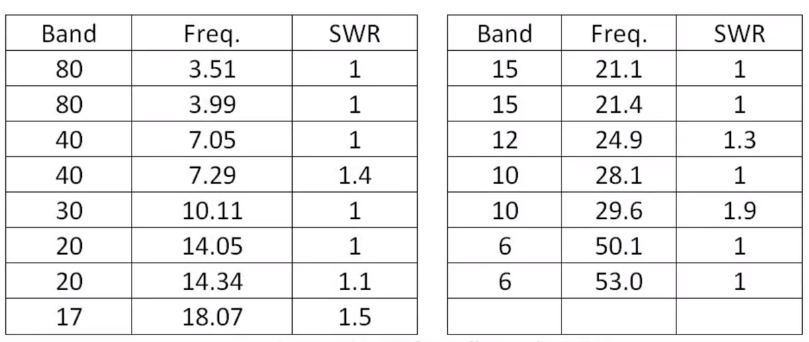
This is an antenna I wish I would have purchased sooner. We live in an HOA with a small lot and some restrictions on antenna placement and height. We had a small vertical antenna mounted to our fence, but had limited places to install grounds and could only put two in place along the fence line. We could only receive 40M, sometimes 20M, and both had to be tuned and adjusted at the antenna. This year, those bands began generating high SWR. I was able to determine the wiring and connections were all good but the antenna was failing and we would miss out on the new solar cycle. We ordered a 20' Greyline, without the flag mount options, along with an LDG 100W external tuner. Due to a backlog in supplies, it took many months to process my order, and when I paid with a credit card it was cancelled the following month because they could not ship it within 30 days to process my credit card. I called and they no longer had any 20' antenna packages to ship at that time, but they agreed to ship me a 24' for the same price without further delay. That was still not going to be visible from the street above my home which is an HOA requirement, so I agreed. After receiving the equipment and installing it, I was amazed. 40M, 20M, 12M, and 10M bands were all below 1.5 SWR. 30M was an impressive 1.1 SWR. Unfortunately, I could not tune 80M, 17M, or 15M due to high SWR. Quite possibly this is an issue with the LDG tuner. We have reached far away with this antenna, and my wife began using FT8 and collected QSOs with 29 countries on multiple bands within a week. I was able to reach Australia, which showed a distance of 10,000 miles. The antenna is in my back yard, close to my house and neighbors say they don't notice it. While I could have installed it in the front as a flagpole, I would have to re-rout all of my wiring to the front of the house. This is an impressive antenna. If I were to do this again, I would like to have purchased an already assembled ladder-line to PL-259 adaptor as assembling the provided kit proved somewhat challenging without a drill press which I no longer have after downsizing a few years ago, and having to modify the clamshell case so that it would fit over the PL-259 component. The RF-choke required weather proofing so I ended up purchasing 1-1/2" waterproofed shrink tube that seemed expensive for the length needed. In the end, it all worked well when connected. I fully recommend this antenna.

Wow! So great to hear that you and the XYL both are enjoying the bands together. Let's get those other bands working. Likely a ground issue we can resolve. *We've already called him for a few testing exercises to get things dialed in. Ham Radio is fun again! Pass it on... 73 Greyline Performance

C
Craig, W3GF
After 3-months, impressive performance, SWR 1.8:1 on 75M-6M, busting pile-ups, & surprisingly...

Hi Jon at Greyline!

After using the Greyline 20’ OCV for several months I wanted to tell you how happy I am with its performance!

With a little tweaking of the installation, I now have matches of no greater than 1.8 to 1, 75M thru 6M. (using the LDG RT-100)

Even with the poor band conditions, we are currently experiencing, I have worked some nice DX….Albania, Peru, Ecuador Brazil, Italy, Spain and most other European countries with great reports on 100 watts from the TS-890. Nothing too exotic yet but I have not really worked at it either.

In short, if I can hear them, I can work them even through some serious pileups.

I am particularly impressed (and surprised) with 6M performance. I have had good reports as far as OK and ME. Really looking forward to improving conditions as the next sunspot cycle ramps up!

Thanks for the great customer support and info!

73, Craig W3GF

PS. I forgot to mention that my noise level is also several S-units lower than with my former 1/4 wave trap vertical which makes a real difference!

See pictures of Craigs installation, here:
https://greylineperformance.com/blogs/news/customer-writes-4-band-dxcc-this-summer-with-my-dx-flagpole-in-my-hoa

You're welcome, Craig!

Would you like to get on the air with your friends, with real DX confidence, busting pile-ups and working the world from 160-6M? Try one of our real DXF (Stealth DX Flagpole) or DXV (non-stealth DX Vertical) HF vertical antennas, today.

Ham Radio is fun again! See you on the air, soon.