

HOA Stealth Flagpole Antenna · 160-6M · No Radials · Made in USA
The DXF12 — Maximum Wind Rating. Minimum Footprint.
The DXF12 is built for high-wind regions, tight lots, and townhome installations. The highest wind rating in the lineup at 155 MPH flag-down. Full 160-6M coverage from a single feedpoint. Smallest form factor in the DXF lineup — same OCF VDA physics as the larger models in a package that fits where others will not.
Why a Flagpole Antenna?
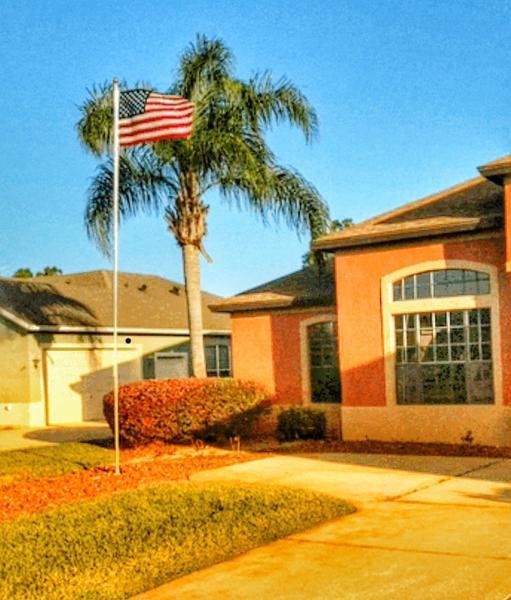
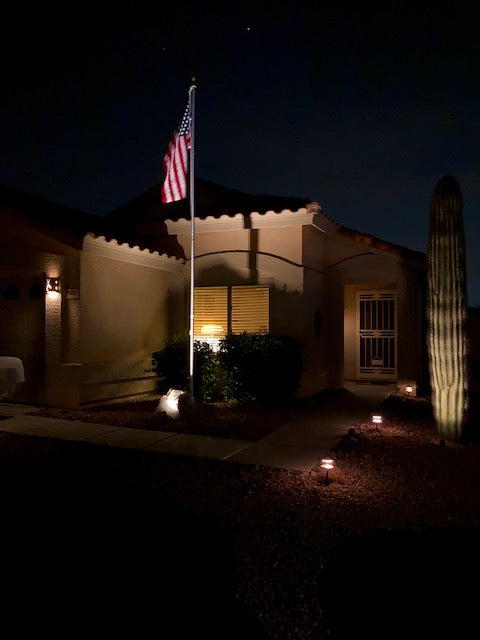
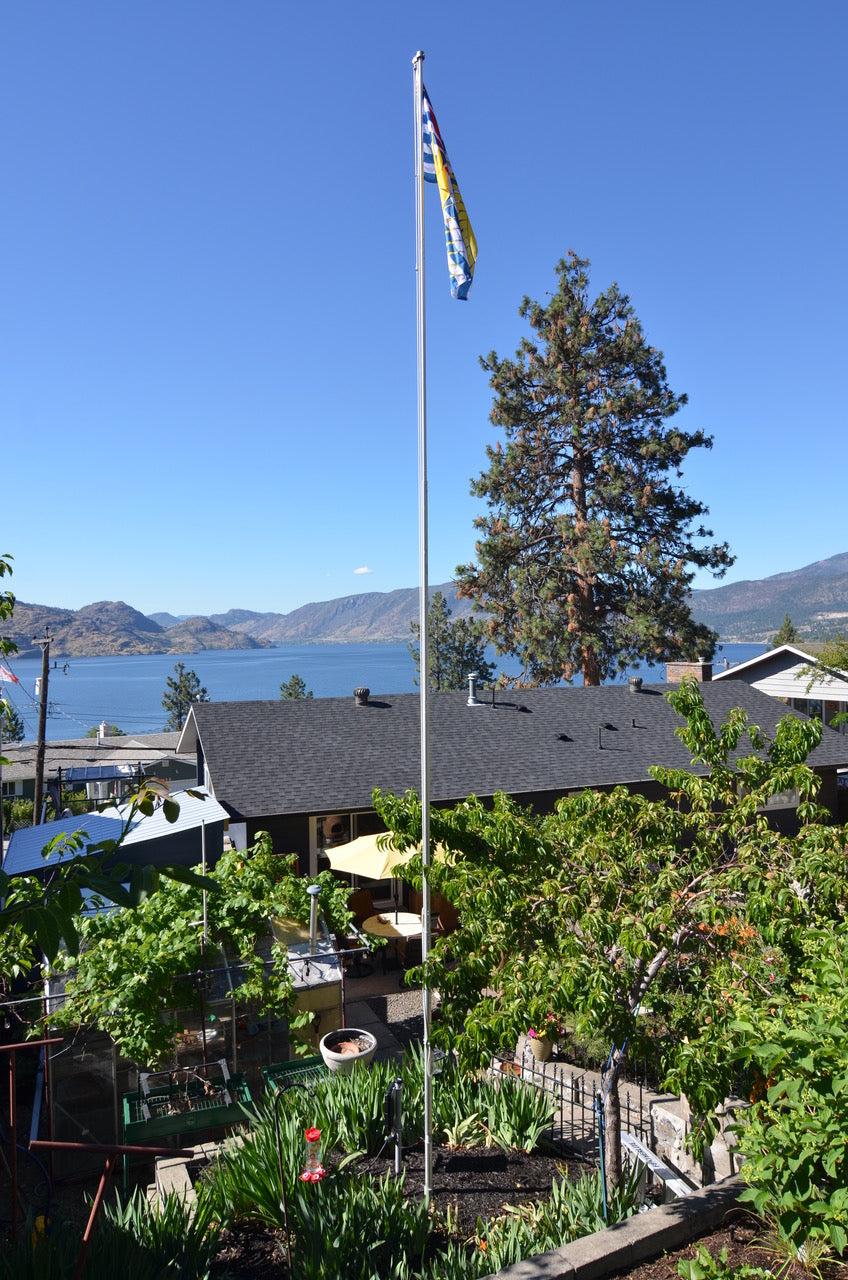
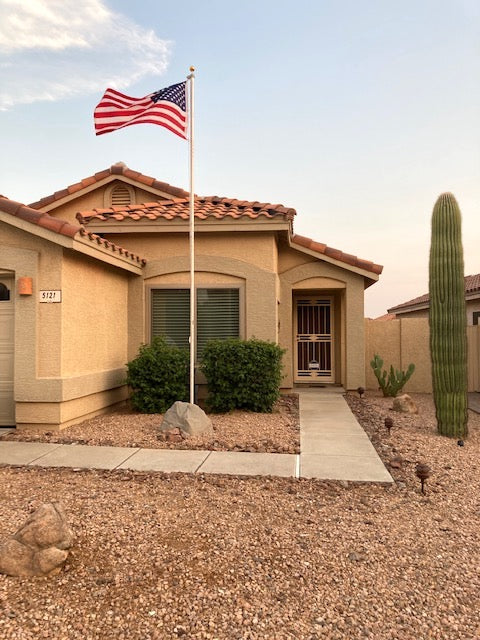
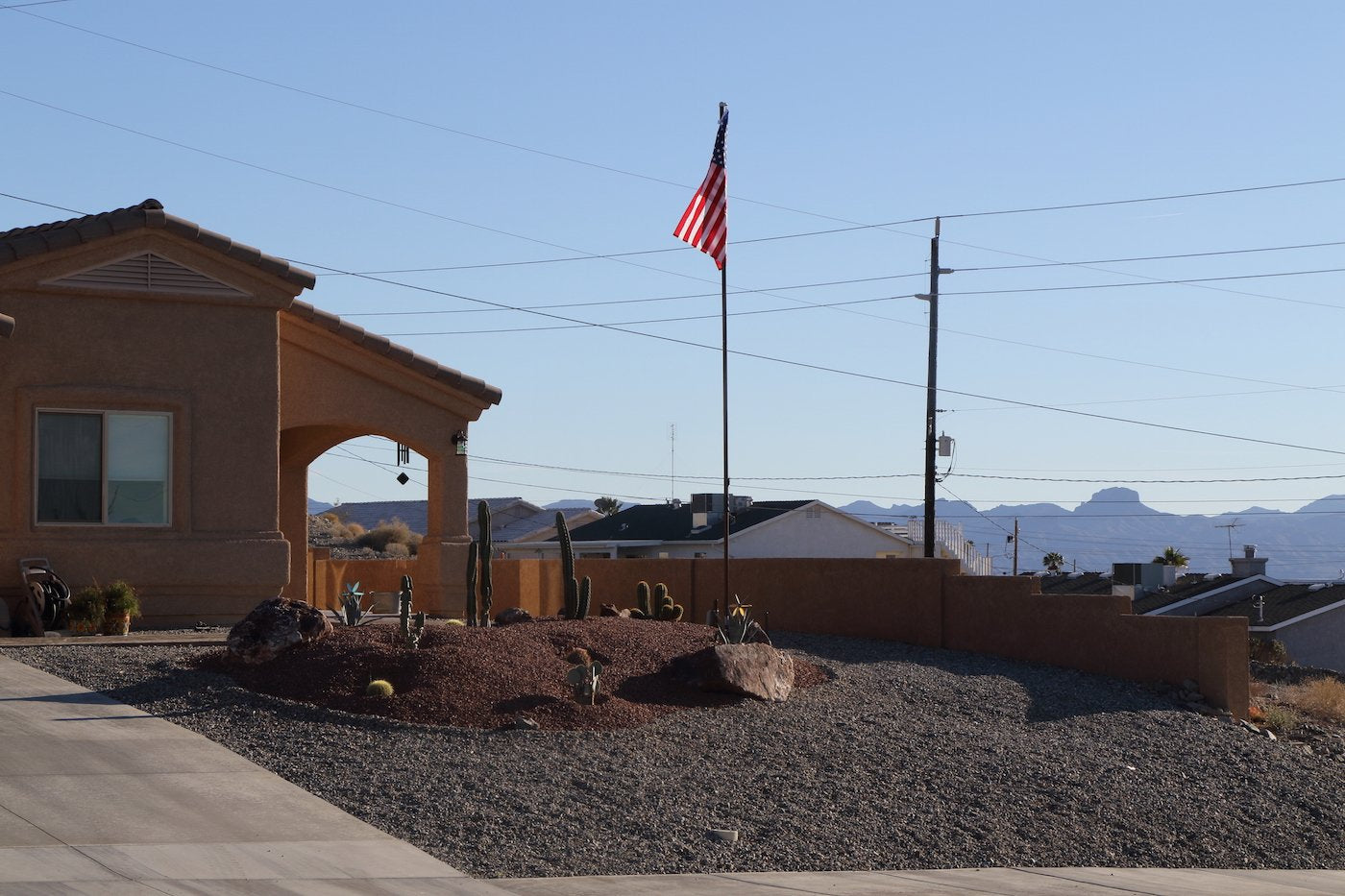
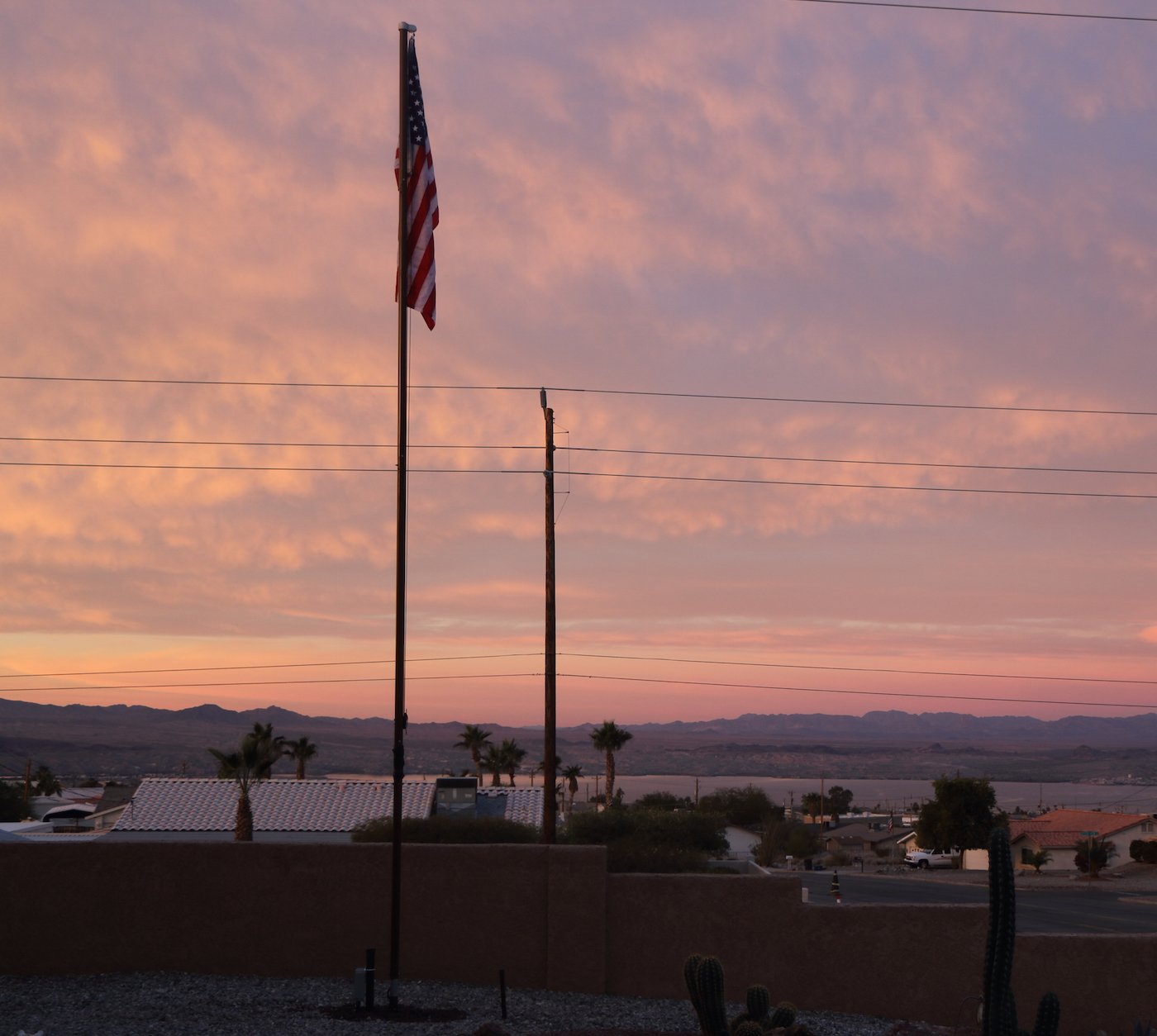
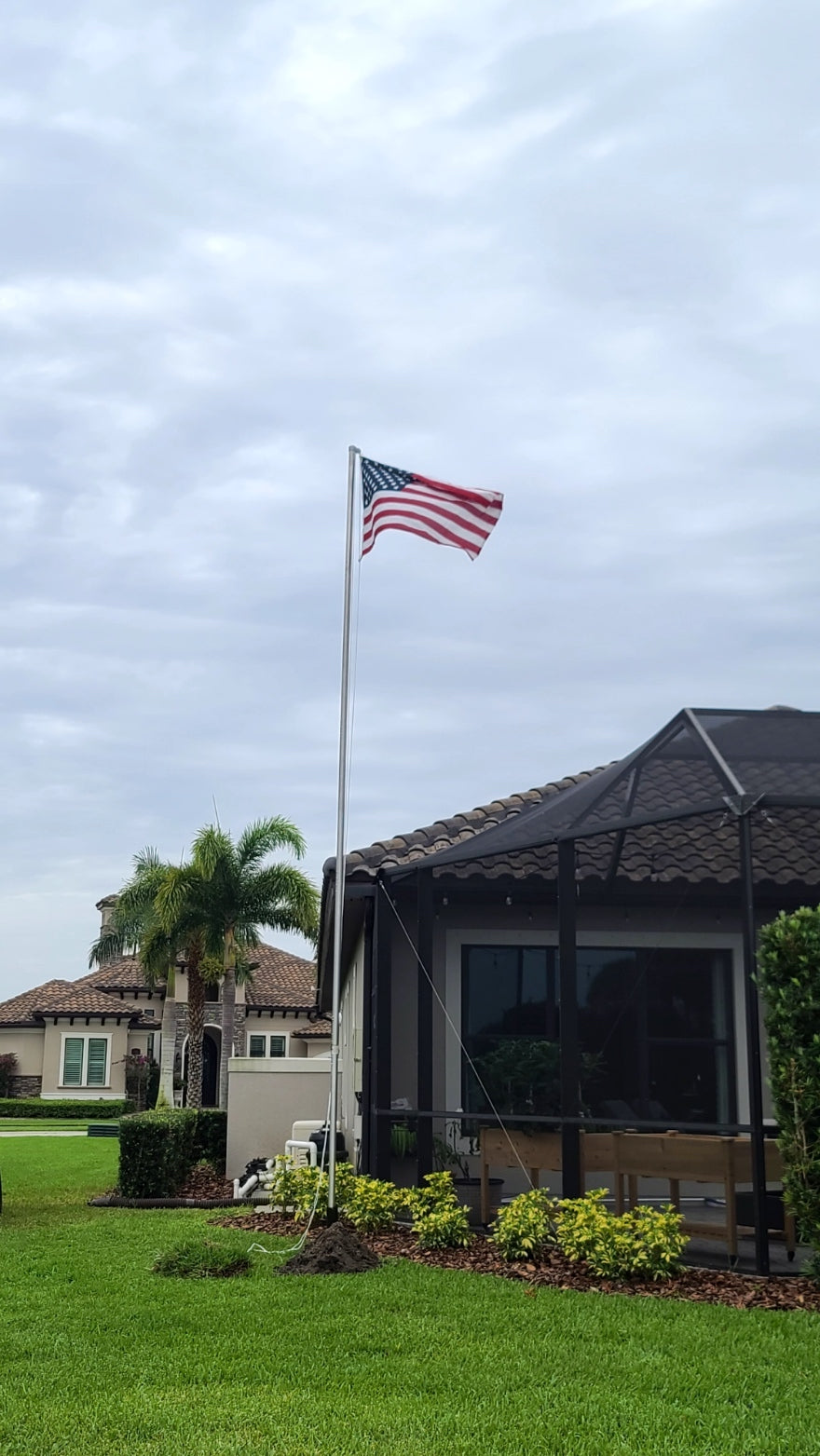
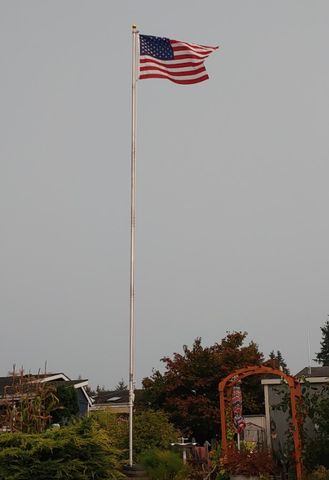
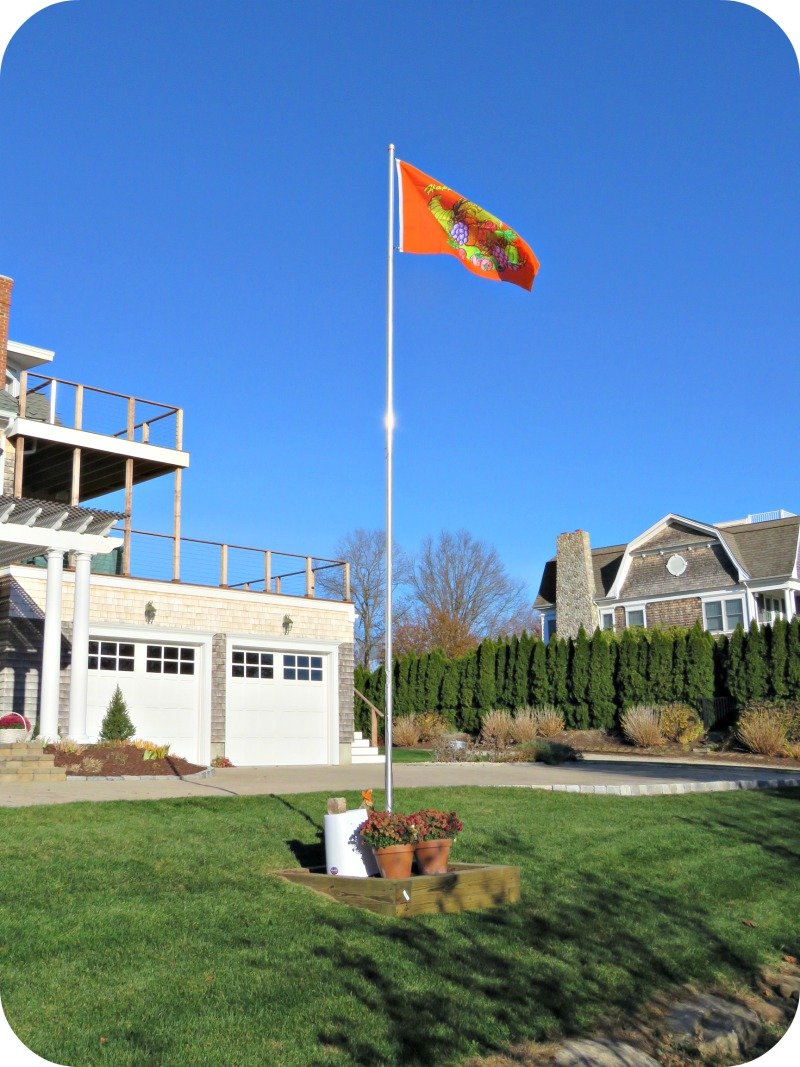
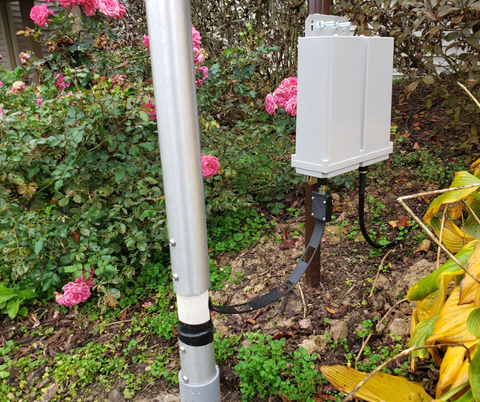
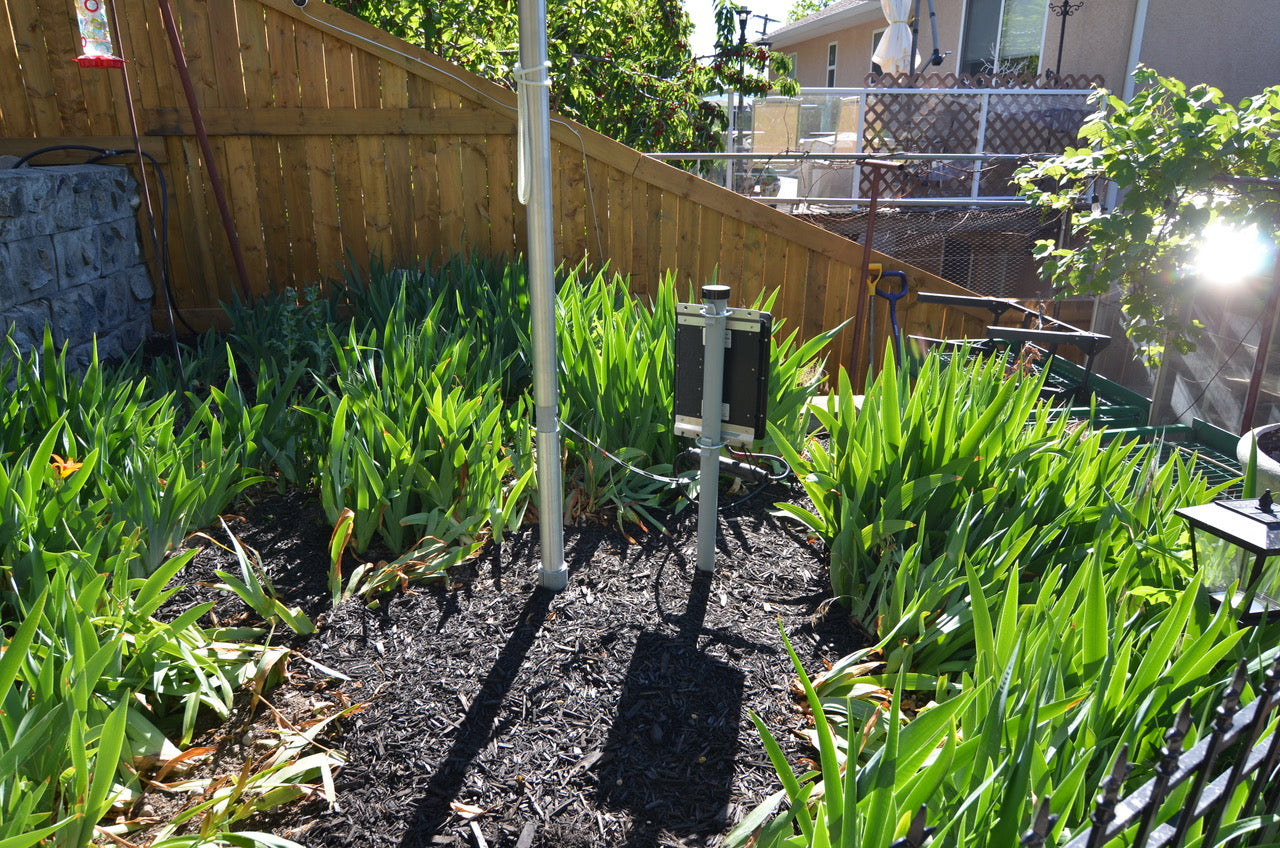
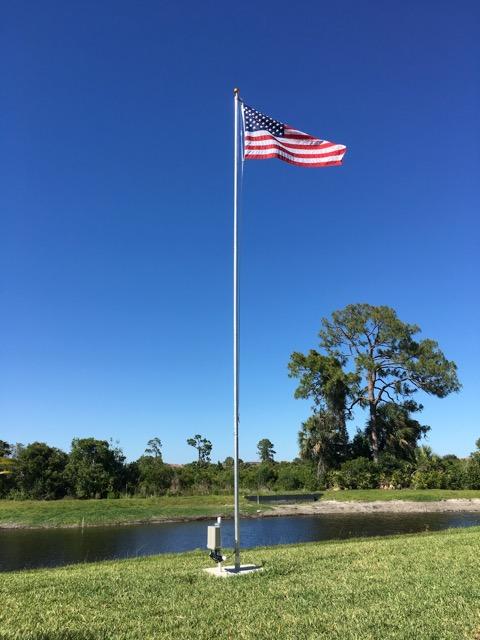
Most HOA CC&Rs explicitly permit residential flagpoles. The DXF's RF function is entirely internal — no visible stubs, no loading coils, no radial wires. From the street, it is a flagpole. A handsome one. The antenna approval is already in the CC&Rs — it is called a flagpole permit.
Band Coverage
160-6M
All HF bands. One antenna.
Wind Rating (Flag Down)
155 MPH
ASCE 7-10 engineered. Flag up: 100 MPH.
Guarantee
7 Years
Free shipping USA and Canada. Made in Sun Valley, Idaho.
Flag-Down Protocol
The flag is the wind load. At 12 feet the flag-up rating is 100 MPH and the flag-down rating is 155 MPH, both per ASCE 7-10. US federal flag protocol already calls for lowering the flag when weather approaches, which is why the flag-down figure is the structural number for a storm — and it matches the bare DXV12, because with the flag stowed that is what the pole is.
Field Report — Height-Restricted HOA
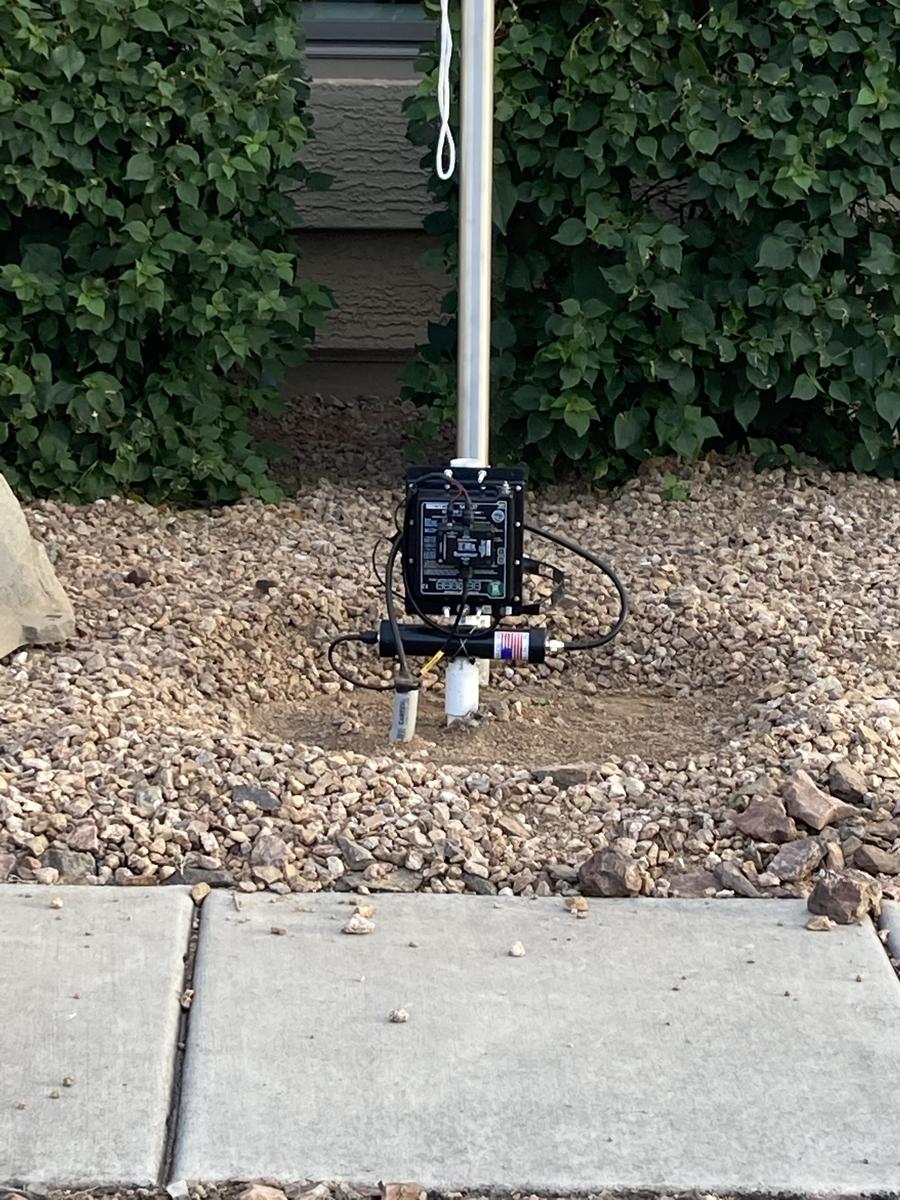
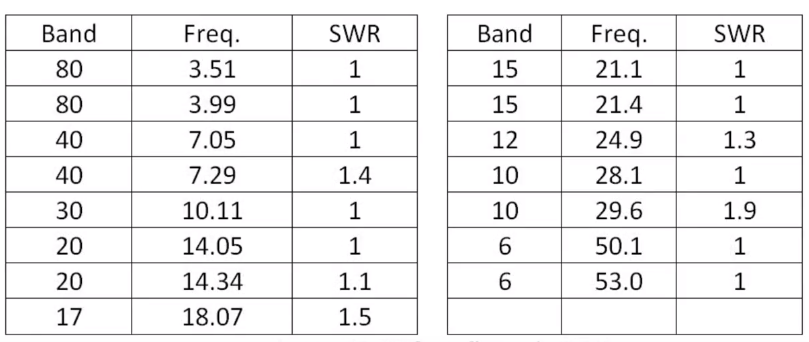
A Phoenix-area operator with a 16-foot HOA height restriction runs confirmed SWR on every band from 160 through 6 meters. The VDA does not need height to load — it needs a good tuner and the right feedline. Go as tall as your lot allows. Work everything either way.
— KJ7CWQ · Phoenix, AZ · Verified Owner
The Physics
Why No Radials — and Why It Works
Traditional quarter-wave verticals feed at the current maximum at the base — pushing maximum resistive loss directly through soil. Every ohm of ground resistance sits in series with your radiation resistance, stealing signal before it leaves your yard.
The Greyline VDA is a vertical dipole. Covers 160-6M from a single feedpoint with no radials. Return current flows through the lower element, not through a buried radial field — significantly reducing ground coupling and removing dependency on soil conductivity. Consistent performance on any surface, in any season.
And the part worth saying out loud: at twelve feet this antenna is electrically short on the low bands. It will load and work 160 and 80, and operators do exactly that — but a taller pole radiates better down there, and the 9' DX Whip is how you get most of that back without changing the pole. Go as tall as your lot and your covenant allow.
The physics behind the no-radial vertical dipole is established, published work — the full reference shelf is cited below, and a deeper VDA explainer lives in the Signal Lab for further study.
Before You Install — Run a Noise Audit
The VDA's 2-inch pole footprint is the smallest ground signature of any full-HF-coverage antenna. A traditional radial field extends hundreds of feet at 160 meters — running toward every noise source on the property. The VDA goes where you choose. Grab a battery-powered AM radio, tune off any broadcast station, walk your property, and find the quietest spot. That is where the pole goes.
Full Installation GuideIn the Box
Everything You Need. Nothing You Don't.
Antenna System
- 12' DXF Flagpole VDA Radiator
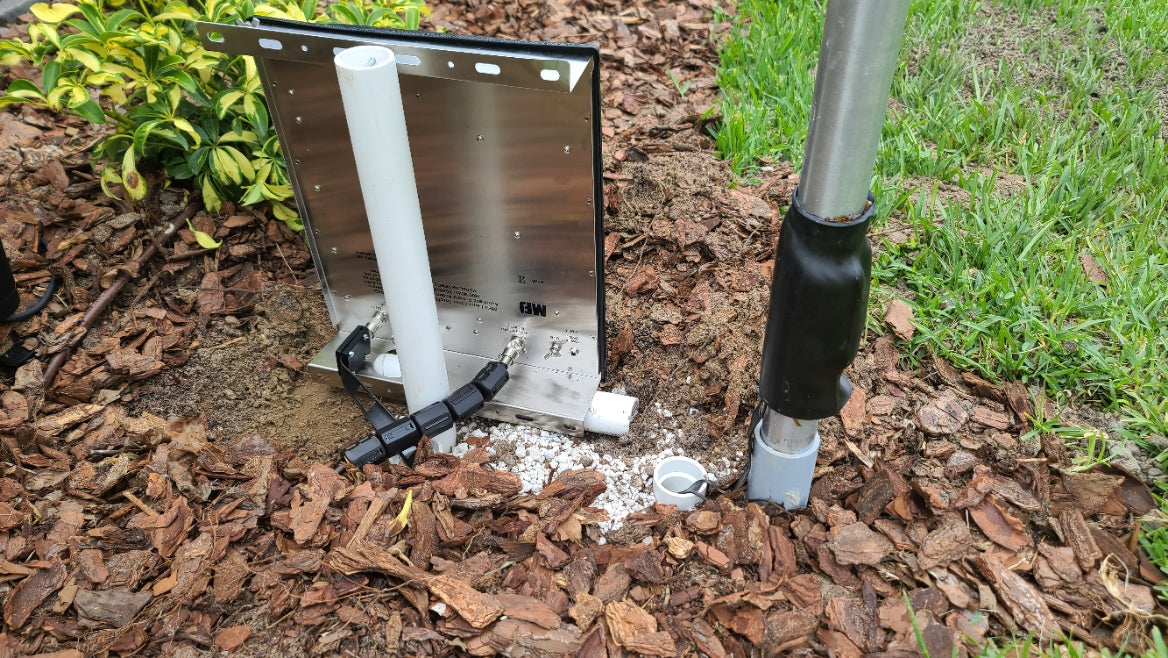
- RF Choke and Precision Feedline Hardware
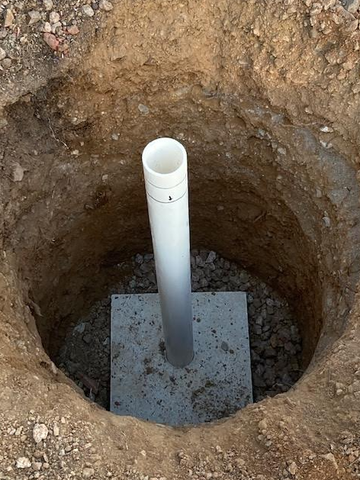
- Ground Sleeve Kit
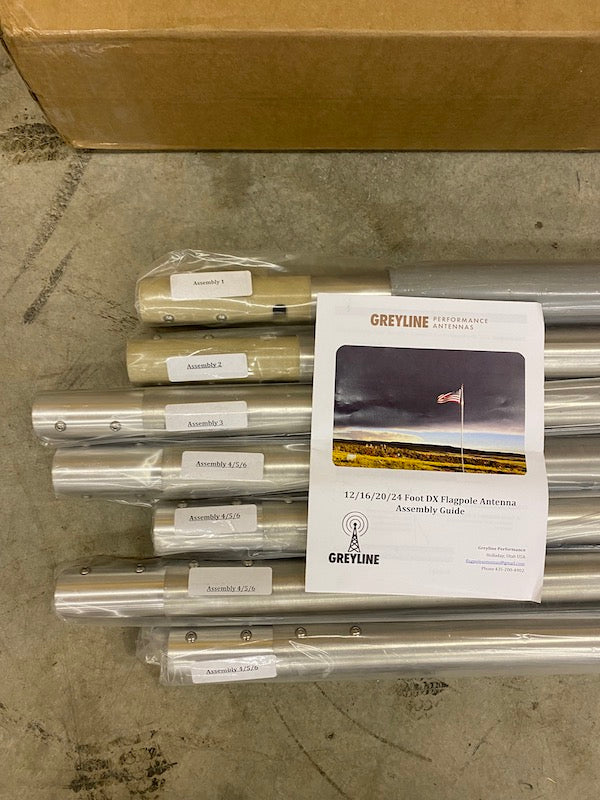
- Assembly Manual and Tuning Guide
HOA and Household
- USA-Made Flag Kit Hardware
- HOA Architectural Brief
- Property Integrity Letter (XYL and HOA ready)
- 7-Year Performance Guarantee
You supply two things: coax for the run to your shack, and an external antenna tuner. Both are covered below, and both save you money in the same cart.
Structural Engineering
Built for Real Weather
Every DXF is engineered to ASCE 7-10 structural standards. The flag is the dominant wind load, which is why the two columns differ. Federal practice is to lower the flag when weather threatens, so the flag-down figure is the engineering number.
| Model | Flag Up | Flag Down | Standard |
|---|---|---|---|
| DXF12 | 100 MPH | 155 MPH | ASCE 7-10 |
| DXF16 | 75 MPH | 115 MPH | ASCE 7-10 |
| DXF20 | 60 MPH | 90 MPH | ASCE 7-10 |
| DXF24 | 50 MPH | 70 MPH | ASCE 7-10 |
| DXF28 | 35 MPH | 55 MPH | ASCE 7-10 |
Ratings per ASCE 7-10. Lower flag during approaching weather per US federal flag protocol. Flag-down figures match the bare DXV vertical of the same height, because with the flag stowed that is what the pole is.
Take It Further
Complete The Station
All three of these come off automatically when they ride in the same cart as the antenna. No codes.
9' DX Whip — The Big One Here
On a 12-footer the whip is not a nice-to-have, it is most of the low-band answer — nine more feet of radiator where the antenna is electrically shortest, threaded in by hand with no tools. If your covenant caps the pole but says nothing about what sits on top, this is the move. The flag and the whip fly together.
View WhipCoax Feedline — 10% Off
A short antenna cannot afford a lossy feedline. Genuine Times Microwave and Andrew Heliax, cut to length, terminated and weatherproofed. Check what your run costs you on the Loss Calculator.
See The Coax LineTilt-Up Base — $25 Off
Lower the whole antenna to waist height alone, in minutes — change the flag, check the hardware, add the whip, or lay it down before a storm. No ladder, no second person, for the life of the antenna.
View Tilt BaseRT-100 Remote Tuner — $25 Off
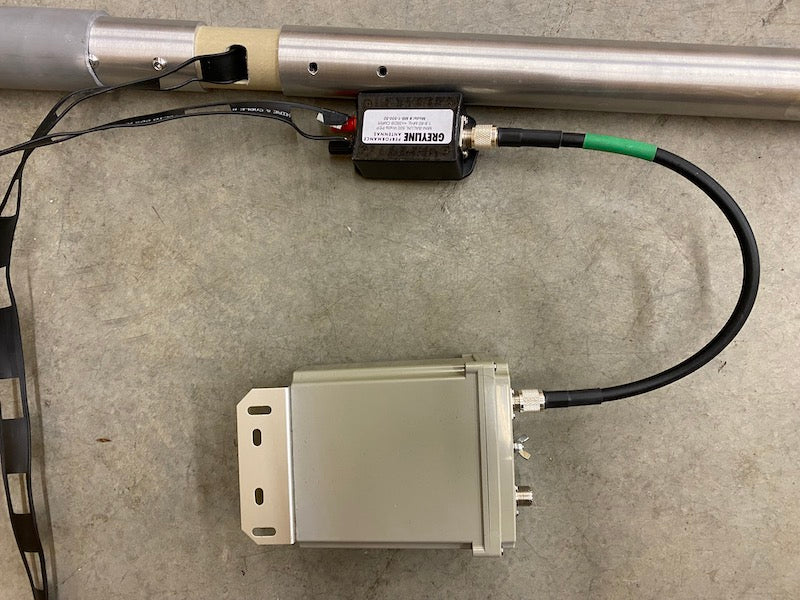
Weatherproof remote ATU at the feedpoint, powered over the coax, one-button tuning 160-6M. A wide-range ATU is required either way; a desktop tuner works too.
View The RT-100No flag needed? The DXV12 delivers identical VDA performance without flagpole hardware, and holds the 155 MPH rating with nothing to lower.
Wind Rating — Flag Down
155 MPH
ASCE 7-10 structural engineering value
Highest rating in the lineup. Rooftops, high-wind corridors, tight urban lots, rapid-deploy EmComm. The 12' is the choice when structural margin is the primary constraint.
Smallest Footprint
2 sq ft
Projected wind area
Covers 160-6M from a single feedpoint with no radials. Modular and field-upgradeable — add the 9' whip at any time for the low bands.
160-6M, One Pole
The 12' DXF covers 160 meters through 6 meters with no radials — the smallest full-spectrum vertical Greyline ships, and the strongest in wind. Add the 9' DX Whip to extend the upper radiator on every band. Modeled gain figures for this height are stated on the aperture page with their reference and band.
HOA and XYL Approved
We've Done the Hard Part for You
Every DXF ships with an HOA Architectural Brief and Property Integrity Letter. A decade of field experience, and a simple design truth: the HOA sees a flagpole, because that is what it is.
For Your HOA Board
Architectural brief, wind ratings, approval letter — ready to print and submit.
HOA Approval ToolkitFor Your XYL and Neighbors
Appearance, safety, property values — addressed directly. Hand it over, let it do the work.
Neighbor and XYL FAQFeed System Note
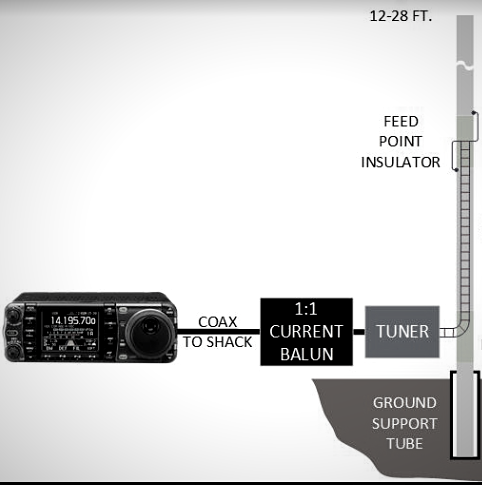
The DXF is a balanced VDA — tuner and RF choke must maintain a floating balanced feed. See the Tuner and Balun Configuration Guide, and the Feedline System Kits page for the full run from feedpoint to shack.
Construction — 6061-T6 Aircraft Aluminum
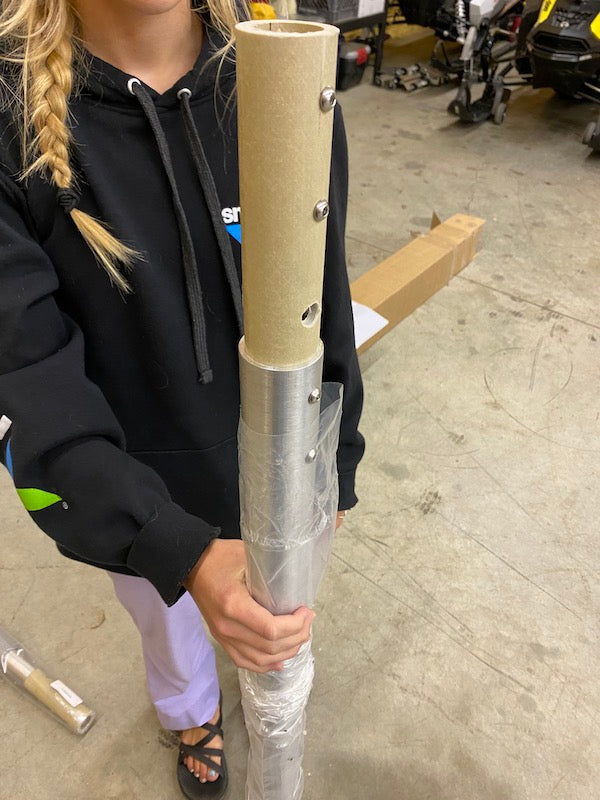
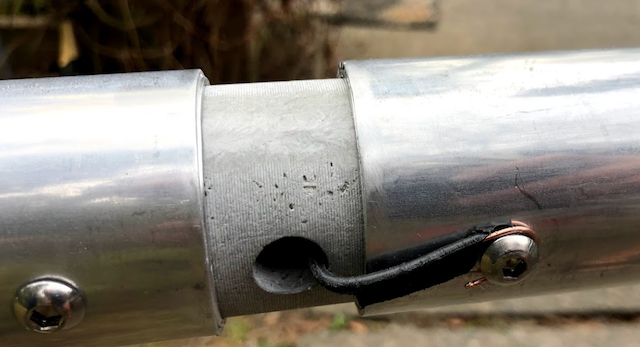
Outside: 2" OD, full length — uniform profile top to bottom. Clean. Sleek. Invisible as an antenna. Inside: wall graduates where the physics demands it — 0.125" lower 30% where base bending stress peaks, 0.065" upper 70% where reducing mass at height lowers dynamic wind loads. Zero plastic. All-metal, stainless hardware throughout.
At 12 feet, the Greyline VDA presents 2 square feet of wind surface — height times outer diameter. That is the smallest structural footprint of any full-HF-coverage antenna we know of. A wider-diameter pole at the same height carries proportionally more wind load on every gust, and cycles that load through the base connection every time the wind shifts. More mass at the top of a cantilevered structure does not improve structural performance — it works against it.
Every Greyline wind rating is derived from ASCE 7-10 structural engineering values — actual geometry, actual math, published methodology. A wind rating without a cited standard is a guess dressed as a spec. Ask any antenna maker which standard they used. If they cannot cite one, you have your answer.
Specs and Shipping
| Spec | Detail |
|---|---|
| Height | 12 feet |
| Band Coverage | 160-6M (all HF + 6M) |
| Design | VDA — Vertical Dipole Antenna, OCF |
| Power Handling | Legal limit — constrained only by ATU rating |
| Radials Required | None |
| Material | 6061-T6 Aircraft-Grade Aluminum + Fiberglass |
| Projected Wind Area | 2 square feet |
| Wind Rating (Flag Up) | 100 MPH — ASCE 7-10 |
| Wind Rating (Flag Down) | 155 MPH — ASCE 7-10 |
| Shipping | Free — USA and Canada. International rates at checkout. |
| Made In | Sun Valley, Idaho — USA |
| Guarantee | 7-Year Performance Guarantee |
Common Questions
Before You Order — Answered.
Is 12 feet really enough for 160 and 80 meters?
It will load and work them, and operators do — but let us be straight with you: at twelve feet the antenna is electrically short down there, and a taller pole radiates better on the low bands. If your lot and your covenant allow more height, take it.
If twelve feet is your ceiling, the 9' DX Whip is how you get most of the low-band performance back without changing the pole — and many covenants cap flagpole height while saying nothing about what threads into the top. Call us and we will read the wording with you: 435-200-4902.
What is the current lead time and availability?
Each antenna is hand-built to order in Sun Valley. Current lead time is always posted on the Order Status page. Call 435-200-4902 for a specific ship date.
What coax should I run, and how long?
Measure radio to feedpoint and add about 15 percent for routing, entry, and a service loop at each end. A short cable is a long day.
For grade: LMR-400 class is the sweet spot at HF, under 0.7 dB per 100 feet. LMR-600 halves that on longer or buried runs. Run your own numbers on the Feedline Loss Calculator, then see the assembled runs — 10% off when coax rides with an antenna.
What is included — do I need to source anything separately?
Everything to assemble and mount is in the box. You supply coax and an ATU. That is it.
VDA Radiator (your chosen height)
RF Choke and Precision Feedline Hardware
Ground Sleeve Kit — in-ground, tower, roof, deck, dock compatible
Assembly Manual and Tuning Guide
7-Year Performance Guarantee
DXF Flagpole models also include: USA-made flag kit hardware, HOA Architectural Brief, and Property Integrity Letter.
Do I need an ATU — will my radio's internal tuner work?
Yes, an external ATU is required. The VDA presents variable impedance across its operating range — that is how it covers 160-6M from a single feedpoint with no traps and no radials. Most internal tuners will not handle the full impedance range on every band.
An external ATU lives in one of two places, and both are right depending on your run. For a short feedline run, a desktop ATU at the radio is the simpler path. For a longer run, a weatherproof remote ATU at the antenna base keeps the match close to the feedpoint; the LDG RT-100 is a low-cost 125W fit for that job, and $25 comes off it automatically when it rides in the same cart as the antenna.
Note that all ATUs carry a reduced power rating for digital modes (FT8, Winlink, JS8Call) due to 100% duty cycle heat loading. The antenna handles the full legal limit on every band — the tuner is the only ceiling, and higher-power options are on the tuner shelf.
How difficult is installation? How long does it take?
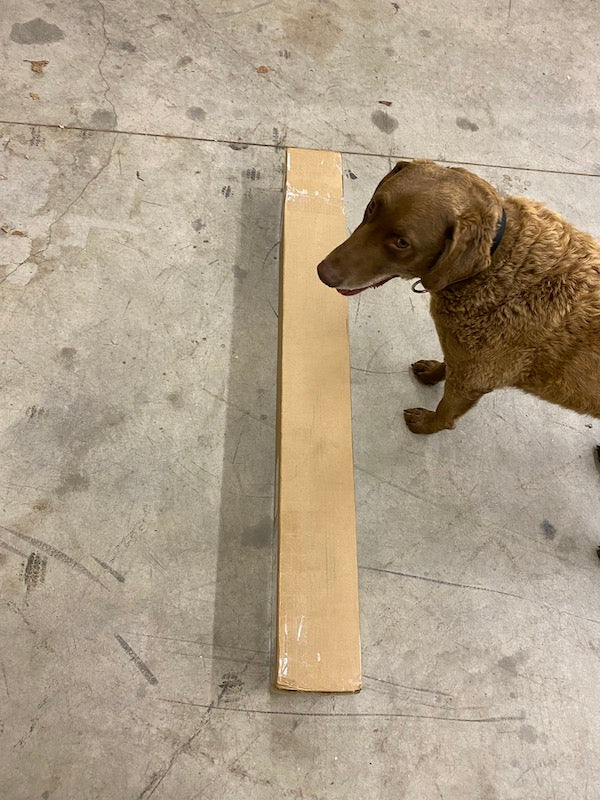
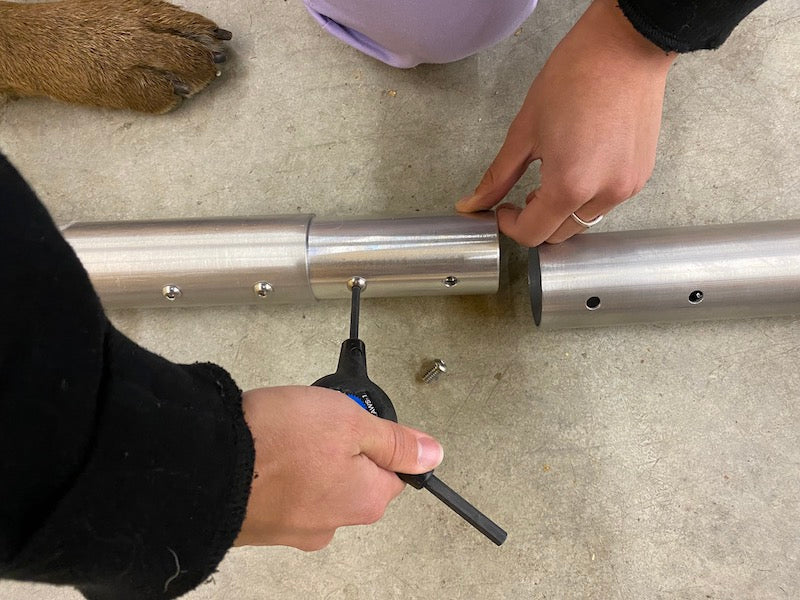
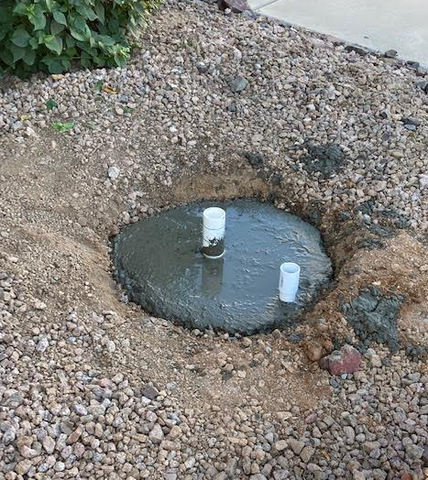
Most operators are on the air in under an hour. Dig a post hole, build the antenna sections (15-30 min), drop it in, run coax, connect the ATU. All stainless hardware comes pre-fastened — no loose hardware to lose in the grass.
Assembly documents at Setup and Manuals. Questions during install? Call 435-200-4902.
What does the 7-Year Guarantee cover?
Seven years of performance coverage. If it fails under normal operating conditions, we make it right. A customer's antenna fell in a severe ice storm — we sent a replacement immediately. Full terms at 7-Year Warranty Policy.
Every Greyline design decision traces back to named, published antenna physics — Zavrel W7SX, Kraus W8JK, Severns N6LF on ground systems, Maxwell W2DU on transmission lines, Lewallen W7EL on modeling. Not opinions. Cited works.
The full shelf lives under The Signal Lab · The Shelf We Read From in the menu, open to everyone.
Ready?
The DXF12 Ships Free in the USA and Canada.
Scroll up and add it to your cart — or call and talk it through with us first. We enjoy talking radio, and we would rather you order the right height than the nearest one.
435-200-4902
Need more aperture? Step up the DX Flagpole line
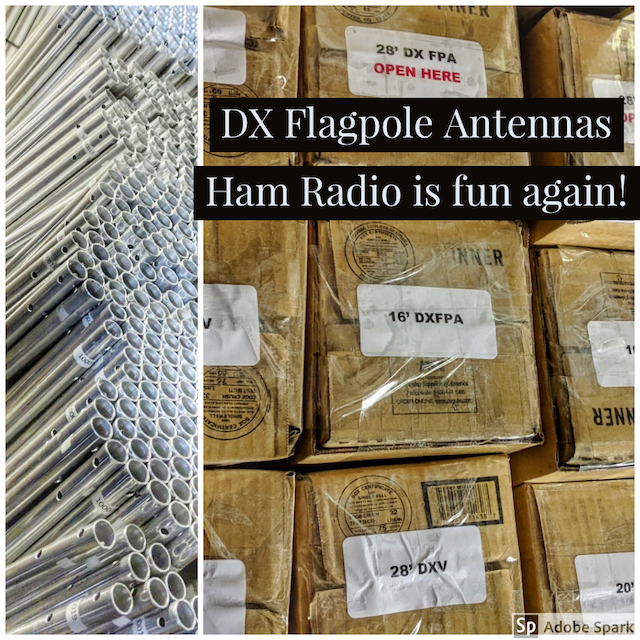
Ham Radio is fun again! Pass it on... 73, The Greyline Performance Team · Sun Valley, Idaho · 435-200-4902