


Remote ATU · System Completion
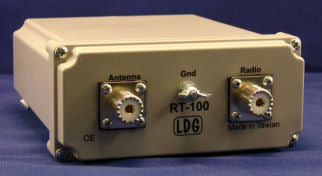
LDG RT-100 Remote ATU for Greyline VDA Systems
The LDG RT-100 is a 100W-class remote auto-tuner chosen by Greyline operators in the field for one reason: it just runs. Weather-sealed, mounted at the antenna feedpoint, 1.8 to 54 MHz, 125 watts SSB and CW. Buy it standalone, or put it in the same cart as a Greyline VDA — one shipment, one support relationship, and $25 comes off the tuner automatically. No codes.
Who This Page Is For
Greyline Antenna Owners Completing Their System
If you own or are buying a Greyline VDA and want a matched remote tuner from the supplier who already knows your antenna, you're in the right place. One cart. One shipment. One phone number when you have a question.
Our pricing here reflects the cost of running a matched-system support channel for Greyline buyers — not a race to undercut the tuner market. The current price is at the top of this page.
Tuner Architecture
Three Paths. The RT-100 Is One Of Them.
A Greyline HF vertical needs an external, wide-range antenna tuner. Most internal radio ATUs don't have the matching range or power handling for a vertical across the full HF spectrum. From there, three paths:
Desktop ATU in the shack. Plenty of options on the market across every power class. If you already own one, run it.
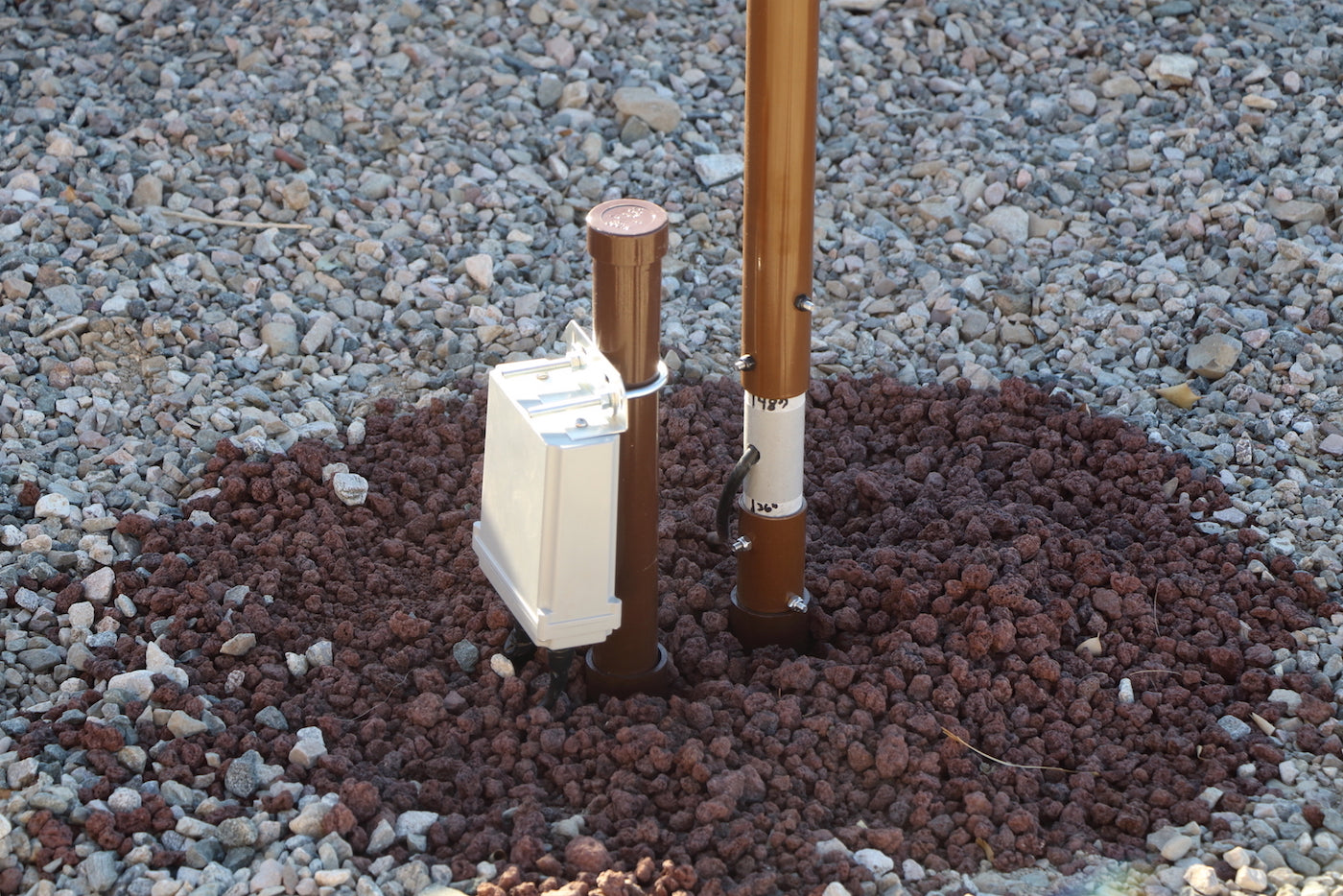
100W remote ATU at the feedpoint. Fewer options. The RT-100 is what we ship for this path.
High-power remote ATU (1000-3000W). A separate market. Operators in this tier source their own — we don't try to be the broker for the high-power remote category.
The Physics
Why a Remote ATU with a VDA
A remote tuner is mounted at the antenna feedpoint, not in the shack. When SWR climbs on a given band, coax loss climbs with it. A tuner in the shack corrects the match your transceiver sees, but the feedline still carries the mismatched current.
A remote ATU corrects the match at the antenna, so the feedline operates at or near 50 ohms the whole way back to the shack. On a 75-foot or 100-foot run of LMR-400 or LMR-600, the difference is measurable — especially on the higher bands and under high-duty-cycle modes like FT8.
The counterpoint, stated. Many Greyline buyers prefer a desktop shack ATU instead — including RF engineers who want hands-on tuning and manual memory control. Both paths work. What doesn't change is the requirement: a wide-range external ATU, in the shack or at the base.
The remote-vs-shack decision is yours to make, not ours to force. This page is for operators who've decided a remote tuner is the right answer for their installation.
Specifications
LDG RT-100 — The Numbers
Power & Frequency
Power: 0.1 to 125 watts SSB and CW
Frequency: 1.8 to 54 MHz (160M to 6M)
Matching range: 6 to 1000 ohms SSB, 12 to 800 ohms CW
Tuning & Memory
Full tune: 0.1 to 6 seconds
Memory recall: Under 0.5 seconds
Memories: 2,000 for instant recall
Enclosure & Mounting
Weatherproofing: Sealed for outdoor mount
Location: At the antenna feedpoint
Control & Power
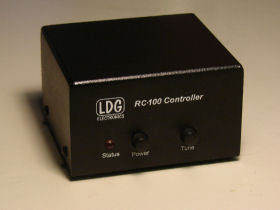
Control: Radio interface cable or manual control box
Power required: 12 VDC at the tuner
Shipping: Free — USA and Canada
Tuner at the Feedpoint, Loss in the Coax
How Much Are You Losing Before The Tuner?
A remote tuner at the antenna feedpoint keeps the matching network close to the radiator — but coax loss between the rig and the tuner still matters. Run your specific cable type and length through the Feedline Loss Calculator. The math often justifies LMR-400 over RG-8X immediately.
Before You Buy
Duty Cycle — What to Know
The RT-100 is rated at 125 watts. That rating assumes SSB and CW duty cycles. If you run FT8, RTTY, or other high-duty-cycle digital modes at or near full power, derate accordingly — the same way you would with any 100-watt tuner from any manufacturer.
For 100W FT8 operation, run at 50 to 75W out of the transceiver, not 100W. The relay contacts and L/C components will last longer. If you're a legal-limit operator or plan to run high-duty digital at full power, skip the RT-100 and move up to a desktop ATU rated for your mode and power.
Our Rule
We'd rather tell you this up front than sell you the wrong tool. If you're unsure whether the RT-100 is right for your rig and mode profile, call us before you buy. Five minutes on the phone saves a lot of returns.
Complete The Station
Three Discounts. One Cart. No Codes.
All three of these come off automatically when they ride in the same cart as the antenna. No codes. The RT-100 is one of the three — put a Greyline antenna in the cart with it and $25 comes off the tuner.
The Antenna — RT-100 $25 Off
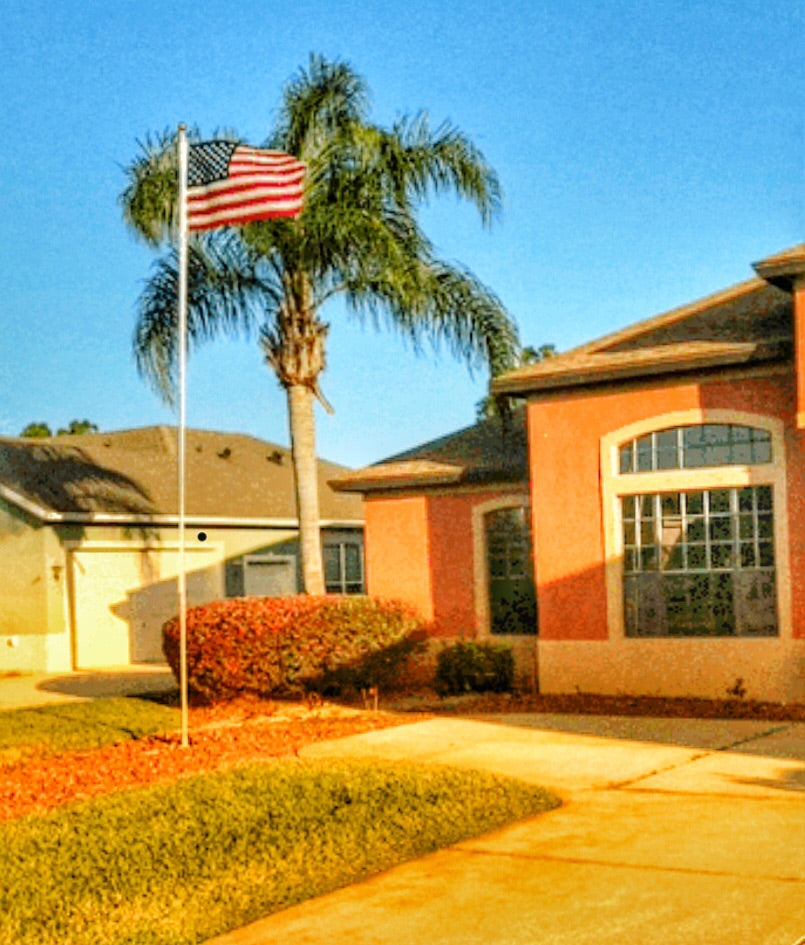
Bare DX Vertical for rooftop, yard, and commercial sites, or the DX Flagpole with the HOA brief included. Same VDA core either way, 160–6M, no radials.
DX Verticals → DX Flagpoles →Coax — 10% Off
The antenna is only as good as the line feeding it, and a tired run can eat half your power on the high bands. Genuine Times Microwave, built to length, and the RT-100 takes DC over the same run.
Shop Coax →Tilt-Up Base — $25 Off
Lower it to waist height alone, in minutes. Tuner service at the feedpoint without a ladder or a second person.
View Tilt-Up Base →9' DX Whip
Nine more feet of aperture on top of any DXV or DXF. DXV20 + whip is the Skyline 29 · DXV24 + whip is the Skyline 33 · DXV28 + whip is the Skyline 37. The RT-100's 6–1000 ohm range covers the taller geometry.
View Whip →What Ships
What's in the Box
- LDG RT-100 Remote Automatic Tuner (sealed outdoor enclosure)
- LDG documentation and quick-start guide
- Greyline matched-system support — 435-200-4902
Interface cable to your specific radio, weatherproofing tape, and bias-tee components (if using a single coax run for RF plus DC) are typically purchased separately based on your rig and feedline choice. If you're not sure what you need, call before you buy. We do this every day.
A Note on ATU Selection
Greyline sold hundreds of automatic tuners before the 2020-2022 industry shake-up thinned the field. We're rebuilding that side of the catalog deliberately, starting with the units we've paired successfully with VDA systems for years.
If you have a specific ATU question — matching range, duty cycle, remote vs. shack placement, or how it will behave with your specific rig — pick up the phone.
Pair with: Antenna Tuner Collection → · RF Chokes & 1:1 Baluns → · Feedline Physics → · Tuner & Balun Configuration Guide →
73 Greyline — 435-200-4902
Ham Radio is fun again. Pass it on…